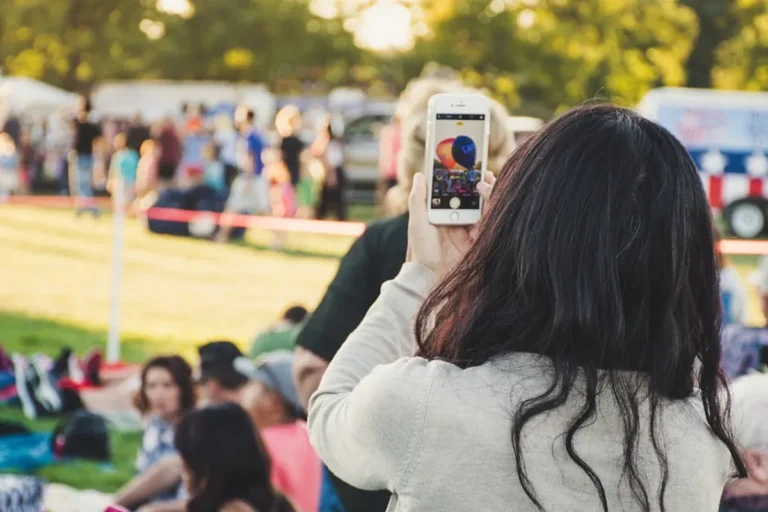

Community celebrations, whether small neighborhood gatherings or large-scale festivals, serve as pivotal opportunities for fostering local engagement, enhancing brand visibility, and stimulating economic activity. For organizers, marketers, and site owners, understanding the strategic components behind successful events moves beyond simple planning; it involves a calculated approach to ideation, resource allocation, and audience activation. This guide offers actionable insights and specific planning considerations to transform conceptual event ideas into tangible, impactful community experiences.
Strategic Event Ideation for Community Engagement
Selecting the right type of community celebration is foundational. The most effective events resonate with the local demographic and address specific community needs or interests, moving beyond generic themes to create unique draw. Consider these categories for initial concept development:
- Local Heritage Festivals: Center these around a specific historical event, local industry, or cultural tradition. For instance, a "Harvest & Craft Fair" can showcase regional agriculture and artisan goods, providing direct sales opportunities for local producers and attracting visitors interested in authentic regional products.
- Skill-Share Workshops & Demonstrations: Events like "Community Garden Days" or "DIY Repair Clinics" offer practical value. These draw participants seeking new knowledge or connections, creating a highly engaged audience segment. Local businesses can sponsor materials or host sessions, gaining direct exposure to a relevant demographic.
- Themed Block Parties & Street Fairs: These events can revitalize urban spaces. A "Food Truck Rally" or "Art Walk" transforms public areas into vibrant hubs, increasing foot traffic for surrounding businesses and offering diverse entertainment options. The commercial utility lies in driving immediate sales and fostering a positive association with the event's location.
- Charity & Awareness Events: Integrating a charitable component, such as a "Community Fun Run" supporting a local cause, provides a strong emotional hook. These events often benefit from wider media coverage and volunteer support, amplifying reach and aligning the event with positive social impact.
Essential Planning Frameworks
Effective execution hinges on a robust planning framework that covers legal, logistical, and promotional aspects. Overlooking any of these can significantly impact an event's success and reputation.
Defining Objectives and Target Audience
Before any other step, clearly articulate what the celebration aims to achieve. Is it to increase local business revenue, foster neighborhood cohesion, promote a specific cause, or attract tourism? For example, an objective to "increase foot traffic to downtown businesses by 20% during the event" dictates different planning priorities than "recruit 50 new volunteers for a local charity." Identifying the primary audience – families, young professionals, seniors, specific cultural groups – ensures that activities, marketing, and accessibility are tailored appropriately, maximizing attendance and engagement.
Budgeting, Funding, and Sponsorship Acquisition
A detailed budget is critical. Itemize all potential expenses: venue rental, permits, insurance, entertainment, marketing, security, waste management, and contingency funds. For revenue, consider ticket sales, vendor fees, merchandise, and crucially, sponsorships. Approach local businesses with tiered sponsorship packages that clearly outline benefits, such as logo placement on promotional materials, speaking opportunities, or dedicated vendor space. Quantify the reach and demographic of the event to demonstrate a clear return on investment for potential sponsors. For instance, a sponsor might gain exposure to 5,000 local residents, 70% of whom are homeowners, a valuable demographic for a home improvement store.
Navigating Permits, Regulations, and Risk Management
Local government permits are often required for public gatherings, street closures, noise levels, food service, and temporary structures. Research these requirements early, as approval processes can be lengthy. Secure comprehensive event insurance to cover liabilities for property damage, injury, and cancellation. Develop a thorough risk management plan, including emergency protocols, first aid stations, security personnel, and contingency plans for adverse weather. Compliance with local regulations protects organizers from legal issues and ensures participant safety, which directly impacts an event's public perception and future viability.
Pro Tip: Initiate permit applications and insurance discussions at least six months prior to the event date for larger celebrations. Early engagement with local authorities allows for adjustments to event scope or timing, preventing last-minute logistical crises and potential cancellation due to regulatory non-compliance.
Venue Selection and Logistics
The chosen venue must align with the event's scale, activities, and accessibility needs. Evaluate capacity, available amenities (restrooms, power, water), parking, public transport access, and suitability for planned activities (e.g., green space for games, stage for performances). Logistical planning extends to site layout, vendor placement, pedestrian flow, waste disposal points, and clear signage. A well-organized site enhances the participant experience, reducing confusion and improving overall satisfaction.
Promotional Strategies for Maximum Reach
Effective promotion ensures your community celebration reaches its intended audience and generates sufficient interest to drive attendance. A multi-channel approach is typically most effective.
- Local Media Engagement: Submit press releases to local newspapers, radio stations, and community blogs. Offer exclusive interviews or photo opportunities to increase coverage.
- Digital Marketing: Utilize social media platforms (Facebook, Instagram, local community groups) for event pages, targeted ads, and interactive content. Develop a dedicated event landing page with all essential details for organic search visibility.
- Community Partnerships: Collaborate with local schools, libraries, community centers, and businesses. They can help disseminate information through their networks, leveraging existing trust and reach.
- Physical Signage: Place posters and flyers in high-traffic areas, community boards, and partner business locations. Ensure clear dates, times, locations, and a call to action.
Executing a Memorable Event
On the day of the event, clear roles, effective communication, and adaptable problem-solving are paramount. Brief all volunteers and staff on their responsibilities, safety protocols, and key information points. Implement a clear communication system for real-time updates and issue resolution. Post-event, gather feedback from participants, vendors, and sponsors to identify areas for improvement and measure success against initial objectives. This feedback loop is invaluable for refining future events and demonstrating accountability to stakeholders.
Refining Future Celebrations
The success of one event provides a blueprint for the next. Analyze attendance figures, participant engagement levels, media mentions, and financial outcomes. Document lessons learned, from unexpected logistical challenges to highly successful promotional tactics. This continuous improvement cycle ensures that each subsequent community celebration builds on past achievements, strengthening its impact and long-term viability within the community.
Frequently Asked Questions
How far in advance should planning begin for a community celebration?
For large-scale events involving permits, multiple vendors, or significant sponsorship, begin planning 9-12 months out. Smaller, more localized gatherings may require 3-6 months.
What are the most common challenges in organizing community events?
Key challenges include securing adequate funding, navigating complex permit processes, recruiting and retaining volunteers, and effective marketing to ensure sufficient attendance.
How can local businesses benefit from sponsoring community celebrations?
Sponsorship offers enhanced brand visibility, direct engagement with local demographics, positive brand association through community support, and potential for direct sales or lead generation at the event.
What is the best way to measure the success of a community celebration?
Success can be measured by attendance numbers, participant feedback surveys, media coverage, social media engagement metrics, sponsor satisfaction, and, if applicable, funds raised or economic impact on local businesses.