
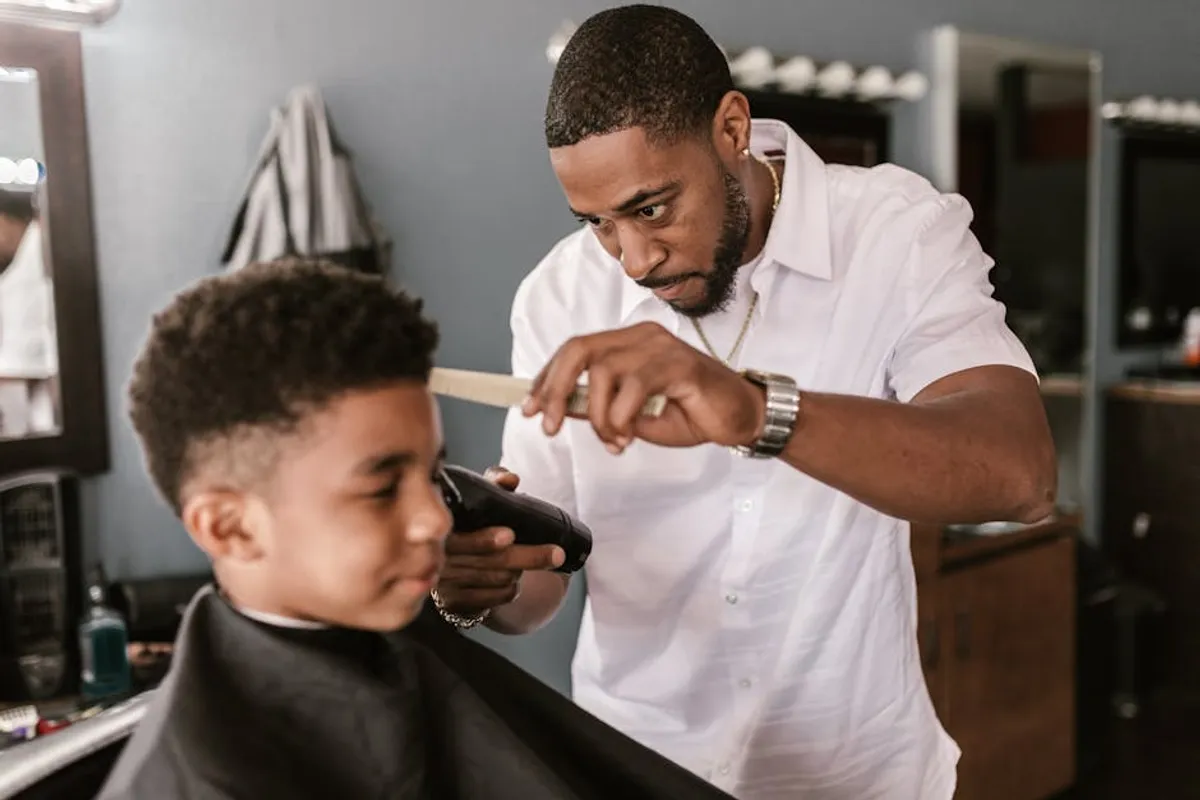
Selecting a haircut for a child involves balancing several factors: the child's comfort, the hair's natural texture, the required maintenance, and current trends. Parents often seek styles that are both practical for daily life and reflective of their child's personality, without demanding extensive styling time. This guide explores various haircut styles, their suitability for different hair types and ages, and how they can integrate with outfit choices to create a cohesive look.
Understanding Hair Types and Textures
The foundation of any successful haircut lies in understanding the hair's inherent characteristics. Ignoring texture can lead to styles that are difficult to manage or don't hold their shape.
Fine Hair Considerations
Fine hair often benefits from blunt cuts that create the illusion of thickness and volume. Styles that are too layered or heavily thinned can make fine hair appear sparse. Short bobs, pixie cuts, or simple, straight cuts just below the shoulders work well, providing structure without weighing the hair down. Bangs can also add a playful element and frame the face effectively.
Thick Hair Management
Thick hair holds styles well but can become bulky without proper shaping. Layering is crucial for thick hair, reducing weight and adding movement. For girls, long layers, graduated bobs, or even a classic shag can manage volume while maintaining length. For boys, fades with longer tops or textured crops effectively reduce bulk on the sides and back, allowing for more styling versatility on top.
Curly Hair Specifics
Curly hair requires cuts that work with its natural curl pattern, not against it. Dry cutting is often preferred for curly hair to ensure the length and shape are accurate once the curls retract. Layering is essential to prevent a triangular shape and to encourage curl definition. Longer styles, like shoulder-length cuts with layers, allow curls to bounce. Shorter, layered cuts can create a playful, defined look. Avoid heavy thinning, which can disrupt the curl pattern and cause frizz.
Straight Hair Versatility
Straight hair offers a wide range of styling options, easily adapting to both blunt and layered cuts. The challenge often lies in adding texture or volume. For girls, a classic bob, a long layered cut, or a blunt cut with bangs provides clean lines. For boys, a slicked-back style, a side part, or a textured crop with a slightly longer top can be achieved. Styling products like light pomades or sea salt sprays can introduce texture without making the hair stiff.
Popular Haircut Styles for Different Ages
Age often dictates both the practicality needed and the child's evolving desire for self-expression through their hairstyle.
Toddler and Preschooler Styles
For this age group, low-maintenance and comfortable styles are paramount. Think practicality over intricate design.
- For Girls: Short bobs, pixie cuts, or simple, shoulder-length cuts with minimal layering. Bangs are popular but require regular trims to stay out of their eyes.
- For Boys: Buzz cuts, short crops, or simple side parts. These styles are easy to wash, dry, and manage, minimizing fuss during daily routines.
These styles prioritize ease of care and comfort, ensuring hair stays out of the way during play and naptime.
School-Aged Kids
As children enter school, they often start to develop preferences, and styles can become slightly more complex while still remaining manageable.
- For Girls: Longer bobs, layered cuts for movement, or mid-length styles with face-framing layers. Braids and ponytails become common, so a cut that supports these styles is beneficial.
- For Boys: Textured fades, messy crops, or longer styles with a side sweep. These allow for some personal expression while remaining appropriate for school environments.
This age group balances a desire for style with the need for a look that withstands active school days.
Pre-Teen Trends
Pre-teens often follow more adult trends, seeking styles that reflect individuality and current fashion.
- For Girls: Shags, curtain bangs with layered cuts, or longer styles with significant face-framing. Experimentation with subtle highlights or temporary color becomes more common.
- For Boys: Modern fades with disconnected tops, quiffs, or longer, shaggy styles. The emphasis shifts to more defined styling and product use.
At this stage, direct communication with the child about their preferences is crucial, as they are often keen to express their identity through their hair.
Integrating Haircuts with Outfit Ideas
A haircut doesn't exist in isolation; it complements and enhances a child's overall look, including their clothing choices.
Casual and Playwear Pairings
For everyday casual wear—jeans, t-shirts, athletic shorts—haircuts that are easy to maintain and can withstand active play are ideal. A messy bun or ponytail for girls with longer hair, or a textured crop for boys, aligns with comfortable, functional clothing. The aim is a relaxed, effortless appearance that doesn't restrict movement or require constant adjustment.
Formal Occasion Styling
When dressing up for events like weddings, parties, or family gatherings, haircuts can be styled to appear more polished. A sleek bob or a half-up style with subtle curls for girls can elevate a dress. For boys, a neatly combed side part or a slightly gelled quiff complements collared shirts and trousers. The haircut itself might be simple, but styling products can transform it for a more refined look.
Sporty Looks
For children involved in sports, haircuts need to be practical and keep hair out of the face. Shorter cuts like pixies or buzz cuts are inherently sporty. For longer hair, braids, tight ponytails, or headbands are essential. The haircut should facilitate these practical styles, ensuring comfort and minimizing distraction during physical activity.
Pro Tip: When discussing haircut options with a child, bring visual examples to the salon. Photos of different styles on children with similar hair types can help articulate expectations to both the child and the stylist, minimizing miscommunication and ensuring a satisfactory outcome. Always consider the child's daily routine and maintenance tolerance.
Seasonal Trends and Maintenance
While classic styles endure, seasonal influences can guide choices, particularly regarding length and layering for comfort and practicality.
Summer Cuts
Warmer months often favor shorter, lighter styles that minimize heat and sweat. Pixie cuts, short bobs, and buzz cuts are popular for their cooling effect and low maintenance. For longer hair, layers that reduce bulk and allow for easy updos are preferred. The focus is on comfort and quick drying after swimming or outdoor activities.
Winter Styles
In colder weather, slightly longer styles can offer warmth and protection. Longer bobs, layered shoulder-length cuts, or even shaggy styles can be more comfortable. Hair can be worn down more often, and styles that accommodate hats without becoming flattened are beneficial. The emphasis shifts to styles that protect the scalp and hair from dry, cold air.
Regular Trims and Product Use
Maintaining any haircut requires regular trims, typically every 6-8 weeks, to keep the shape and prevent split ends. For specific styling needs, gentle, child-friendly products like detangling sprays, light gels, or leave-in conditioners can aid manageability without causing irritation. Educating children on basic hair care, such as gentle brushing and proper washing, contributes to healthy hair and extends the life of a haircut.
Choosing the Right Style for Your Child
The ideal haircut integrates practicality, the child's comfort, and their personal style. Start by assessing hair texture and daily routine. Then, involve the child in the decision-making process, especially as they get older, to foster a sense of ownership and satisfaction. Consider how the style will look with their typical wardrobe and activities. A well-chosen haircut not only looks good but also contributes positively to a child's confidence and ease of daily living.
Frequently Asked Questions
How often should a child get a haircut?
The frequency depends on the style and hair growth rate. Short cuts typically need trimming every 4-6 weeks to maintain shape, while longer styles can go 8-12 weeks between cuts to remove split ends and refresh layers.
What are the best low-maintenance haircuts for active kids?
For active children, buzz cuts, short crops, pixie cuts, and simple bobs are excellent choices. These styles require minimal styling, stay out of the face during play, and are quick to wash and dry.
How can I make getting a haircut a positive experience for my child?
Choose a child-friendly salon with experienced stylists. Bring distractions like books or tablets, schedule appointments during their best mood, and offer a small reward afterward. Positive reinforcement and calm communication are key.
Should I consider my child's face shape when choosing a haircut?
While less critical for very young children, considering face shape can help enhance features as they get older. Round faces often benefit from styles with height or angles, while longer faces can be softened with bangs or wider styles. A good stylist can offer recommendations based on this.