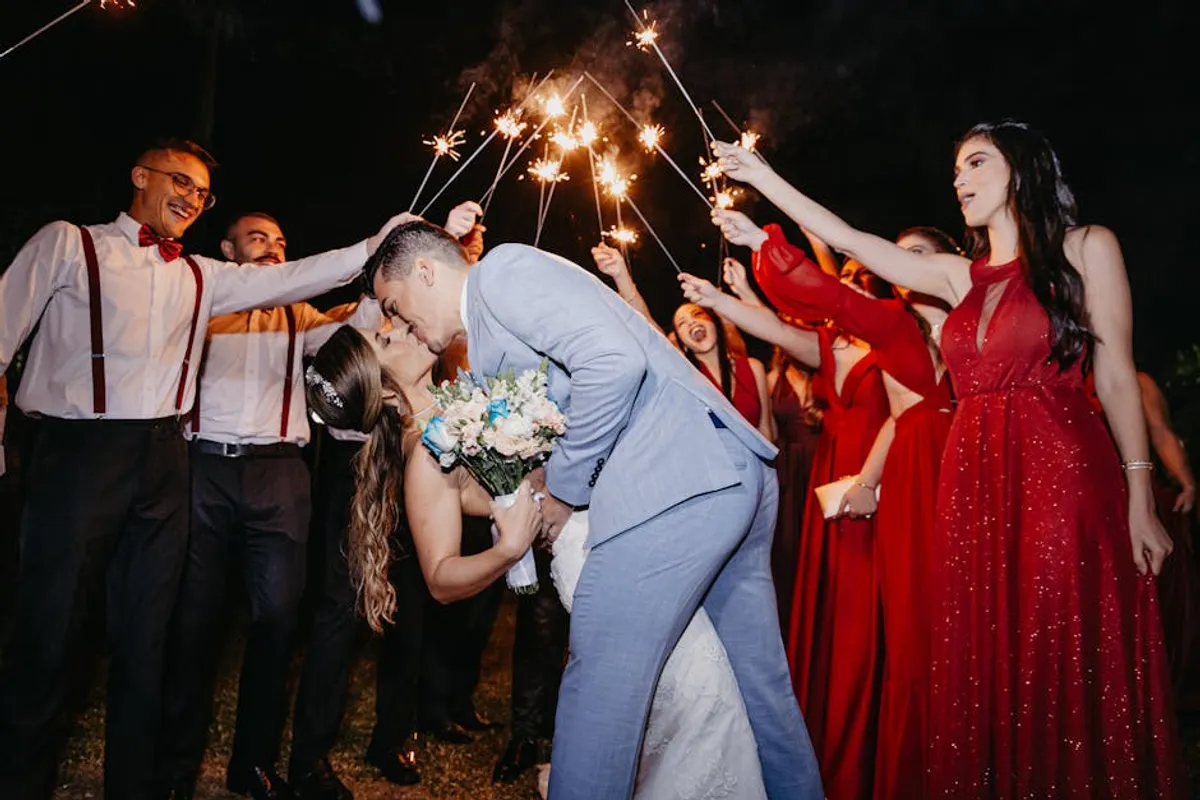
Planning a wedding extends beyond the ceremony and reception; the surrounding "wedding parties" – from engagement celebrations to post-nuptial brunches – offer opportunities to deepen connections and create lasting memories for guests and the couple. These ancillary events, often overlooked in the grand scheme, can significantly enhance the overall wedding experience. Strategic planning and creative ideation for these gatherings ensure they complement the main event without overshadowing it, providing unique moments that reflect the couple's personality and gratitude towards their attendees. The goal is to craft celebrations that feel intentional, engaging, and genuinely enjoyable for everyone involved, translating into a more cohesive and memorable wedding journey.
Defining Your Wedding Party Vision
Before diving into specific activities, establish a clear vision for each wedding party. This foundational step ensures coherence, manages expectations, and optimizes resource allocation. Without a defined purpose and aesthetic, events risk feeling disjointed or like obligations rather than celebrations.
Understanding Guest Demographics
Tailoring your wedding parties to your guest list is paramount. Consider the age range, interests, and travel commitments of your attendees. A predominantly younger, adventurous group might appreciate an active outdoor excursion, while a more mature crowd might prefer a sophisticated seated dinner or a relaxed brunch. For guests traveling internationally, factor in jet lag and provide opportunities for them to experience local culture without feeling rushed. Understanding these nuances allows for event choices that resonate and maximize participation.
Setting a Realistic Budget
Each wedding party, no matter its scale, requires financial consideration. Allocate specific funds for each event, detailing expenses for venue rental, catering, beverages, entertainment, decorations, and any required permits or insurance. A clear budget prevents overspending and helps prioritize elements that deliver the most impact. For instance, a casual welcome reception with local food trucks might be more cost-effective and engaging than a formal sit-down dinner, depending on your guest profile and overall wedding budget.
Choosing a Theme or Vibe
A consistent theme or vibe can elevate a wedding party from a simple gathering to a cohesive experience. This doesn't necessarily mean a costume party; it could be a specific aesthetic (e.g., rustic chic, garden party, vintage glamour), a culinary focus (e.g., regional cuisine, craft cocktails), or an activity-based concept (e.g., game night, art workshop). A well-chosen theme guides decisions on decor, food, music, and activities, ensuring each element contributes to a unified atmosphere. For example, a "speakeasy" themed rehearsal dinner creates a distinct, intimate ambiance that contrasts with a larger, more traditional wedding reception.
Innovative Ideas for Engagement and Celebration
Beyond traditional events, incorporating unique activities and fresh perspectives can make your wedding parties truly stand out. The objective is to offer experiences that feel personal and provide genuine enjoyment, rather than simply fulfilling a social obligation.
Pre-Wedding Festivities
- Welcome Dinners Beyond Rehearsal: Instead of a strict rehearsal dinner, consider a more inclusive welcome party for all out-of-town guests. This can be a casual BBQ, a pizza night, or a themed cocktail reception. It allows guests to mingle before the main event, easing social pressure on the wedding day.
- Bachelor/Bachelorette Alternatives: Move beyond conventional nights out. Organize a group cooking class, a mixology workshop, an escape room challenge, or a guided outdoor adventure like kayaking or hiking. These activities foster bonding through shared experiences and cater to diverse interests.
- Bridal Showers with a Twist: Transform the traditional bridal shower into a co-ed "couples shower" or a charitable event where guests bring donations for a cause important to the couple. Experience-based gifts, like contributions to a honeymoon fund or a shared activity, can replace physical presents, reducing clutter and focusing on future memories.
Post-Wedding Gatherings
The celebration doesn't have to end with the reception. Post-wedding events provide a relaxed opportunity for farewells and reflection.
- Farewell Brunches: A relaxed brunch the morning after the wedding allows guests to enjoy a final meal together, share highlights from the previous day, and say their goodbyes. This is particularly appreciated by guests who traveled long distances, offering a comfortable transition before their journey home.
- Day-After Adventures: For destination weddings or locations with local attractions, organize a casual day-after activity. This could be a guided city tour, a beach day, a wine tasting, or a group hike. It offers an optional, low-key way for guests to extend their stay and enjoy the locale without a formal agenda.
Incorporating Unique Activities
Engage guests with interactive elements that go beyond standard background music.
Interactive Stations: Set up a photo booth with personalized props, hire a caricature artist, or commission a live event painter to capture moments in real-time. These stations provide entertainment and unique keepsakes.
Group Games: Organize lawn games (cornhole, giant Jenga) for outdoor events, or host a trivia night centered around the couple. These activities break the ice and encourage interaction among guests from different social circles.
Cultural Elements: Integrate traditions from both families or the wedding's location. This could involve specific dances, food preparation demonstrations, or storytelling sessions, adding depth and personal significance to the celebration.
Strategic Planning for Seamless Execution
Even the most creative ideas require meticulous planning to translate into enjoyable experiences. Effective coordination and clear communication are the backbone of successful wedding parties.
Vendor Selection and Coordination
Choosing the right vendors is crucial. For catering, consider dietary restrictions and service style – a casual food truck might suit a relaxed welcome party, while a plated meal is appropriate for a formal rehearsal dinner. For entertainment, ensure the music or performers align with the event's theme and guest demographics. Coordinate logistics such as transportation for guests between venues, blocking out hotel rooms, and ensuring accessibility for all attendees. Clear contracts and communication with all vendors prevent last-minute issues.
Communication with Guests
Provide guests with clear, concise information well in advance. This includes dedicated invitations for each event, a section on a wedding website detailing schedules, dress codes, directions, and RSVP deadlines. Timely communication helps guests plan their travel and attire accordingly, reducing inquiries and ensuring smooth attendance. Digital RSVP options can streamline tracking and follow-up.
Delegating Responsibilities
Avoid taking on every planning detail yourself. Delegate tasks to trusted friends, family members, or a professional event coordinator. Assigning specific roles, such as managing RSVPs, coordinating with a specific vendor, or overseeing decor setup, alleviates stress and ensures all elements are handled efficiently. For more complex events, hiring a day-of coordinator specifically for the ancillary parties can be invaluable for seamless execution.
Pro Tip: While enthusiasm for unique events is high, prioritize guest comfort above all. Avoid over-scheduling or creating mandatory attendance for multiple parties. Offer clear options and allow guests the flexibility to choose what they participate in, especially those traveling from afar. A relaxed, optional gathering is often more appreciated than a packed, obligatory itinerary.
Crafting Memorable Celebrations
The success of your wedding parties hinges on thoughtful planning, personalization, and a genuine desire to create enjoyable experiences for your guests. By focusing on guest demographics, setting realistic budgets, and infusing events with unique, personal touches, you move beyond mere obligation to create truly memorable celebrations. Each party, whether a casual welcome or a sophisticated farewell, contributes to the overarching narrative of your wedding, reinforcing connections and building anticipation or fond reflection. Prioritize clear communication and strategic delegation to ensure that these special moments unfold smoothly, allowing you and your guests to fully immerse yourselves in the joy of the occasion.
Frequently Asked Questions
What's the ideal number of wedding parties to host?
The ideal number varies based on budget, guest demographics, and the couple's preferences, but typically ranges from two to four events (e.g., engagement party, bridal shower, bachelor/bachelorette, welcome dinner, farewell brunch). Prioritize quality over quantity to avoid overwhelming guests or stretching your resources too thin.
How far in advance should wedding parties be planned?
Larger events like engagement parties should be planned 6-12 months out, while bridal showers and bachelor/bachelorette parties typically require 3-6 months' notice. Welcome dinners and farewell brunches can be finalized closer to the wedding date, around 1-3 months prior, once guest counts are clearer.
Should we cover all guest expenses for wedding parties?
It is generally expected that the hosts (often the couple or their families) cover the primary costs of food, drinks, and entertainment for wedding parties. Guests are typically responsible for their own travel and accommodation. For bachelor/bachelorette parties, attendees often contribute to group expenses, but this should be communicated clearly upfront.
How can we make wedding parties inclusive for all guests?
Ensure accessibility for venues, offer non-alcoholic beverage options, and consider varied activity levels. Communicate dress codes clearly to avoid discomfort, and integrate cultural elements respectfully. Thoughtful planning for dietary restrictions and providing opportunities for different groups to interact fosters a more inclusive environment.