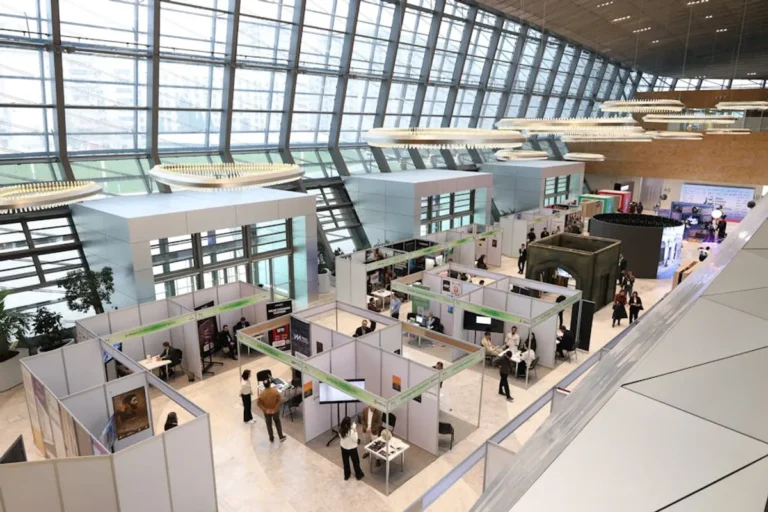

For lifestyle sites, integrating event-focused content offers a direct pathway to increased audience engagement, localized SEO dominance, and diversified revenue streams. The challenge lies not in finding events, but in identifying which event narratives resonate most effectively with a specific lifestyle niche and deliver tangible commercial value. This requires moving beyond simple event listings to crafting compelling, utility-driven content that positions your site as an authoritative resource.
The goal is to transform transient events into evergreen content opportunities. By strategically selecting event blog ideas, lifestyle sites can capture both immediate interest around specific happenings and sustained traffic from long-tail search queries. This approach builds community, fosters trust, and provides actionable value to readers seeking experiences, recommendations, and practical guidance within their lifestyle interests.
Key Considerations for Event Blog Content
Before committing to specific event blog ideas, evaluate their potential against several commercial and strategic criteria. First, assess audience relevance: does the event align directly with your site's core demographic and their expressed interests? Content that feels tangential will fail to engage. Second, consider SEO potential: are there specific keywords, geo-modifiers, or long-tail phrases associated with the event that your site can rank for? High search volume combined with low competition indicates strong opportunity.
Third, evaluate monetization avenues: can the content naturally integrate affiliate links for tickets, related products, or services? Does it open doors for sponsored content partnerships with event organizers or local businesses? Fourth, gauge content longevity: can the core idea be adapted annually, or spun into broader guides or evergreen resources? Finally, factor in resource allocation: what level of effort (research, photography, attendance, writing) will each idea demand, and does that align with your team's capacity?
1. Local Community Festival Deep Dives
This idea focuses on comprehensive coverage of local festivals, from annual town fairs to specialized cultural celebrations. The content goes beyond basic listings, offering detailed guides on what to expect, insider tips for attendees, vendor highlights, parking information, and family-friendly activities. It positions the lifestyle site as the definitive local authority, providing a valuable resource for residents and visitors alike.
Best for: Lifestyle sites with a strong geographic focus (e.g., city guides, regional travel blogs, local parenting resources) aiming for hyper-local SEO dominance and community engagement.
Pros: High local SEO potential due to geo-specific keywords; strong community building and reader loyalty; opportunities for local business partnerships (e.g., sponsored posts, affiliate links for local attractions); content can be updated annually, creating evergreen value.
Cons: Requires significant boots-on-the-ground research and networking with local organizers; content can be highly time-sensitive, demanding quick turnaround; limited scalability if the site covers multiple distant locations.
Verdict: This strategy excels for sites aiming for hyper-local dominance and direct community engagement, but demands consistent local outreach and timely content updates to maintain relevance.
2. Seasonal Culinary Experiences Guides
Curate guides to seasonal food and drink events, such as farmers' market openings, harvest festivals, restaurant week promotions, wine tastings, or craft beer festivals. Content includes not just event details, but also recipes using seasonal ingredients, restaurant reviews, interviews with local chefs, and tips for making the most of culinary excursions. This appeals to readers interested in food, dining, and local experiences.
Best for: Food blogs, regional lifestyle sites, travel sites with a culinary focus, and sites targeting audiences interested in gastronomy and local produce.
Pros: Strong potential for affiliate revenue through links to restaurant reservations, cooking classes, or food product vendors; high shareability on social media; content can be updated seasonally, ensuring recurring traffic; appeals to a broad, engaged audience segment.
Cons: Intense competition from established food critics and dedicated culinary sites; requires consistent tracking of local restaurant and event schedules; quality photography is crucial for engagement, adding production cost.
Verdict: A highly engaging and monetizable niche, but success hinges on unique perspectives, high-quality visuals, and proactive relationship-building with local culinary establishments.
3. Wellness Retreats and Mindful Living Workshops
Develop content around local or regional wellness events, including yoga retreats, meditation workshops, holistic health seminars, and mindful living conferences. Articles can feature interviews with practitioners, reviews of specific retreats, guides to preparing for a wellness experience, and follow-up content on integrating practices into daily life. This taps into the growing interest in health and personal well-being.
Best for: Health and wellness blogs, personal development sites, spiritual lifestyle platforms, and sites focusing on self-care and balanced living.
Pros: High potential for affiliate income from retreat bookings, wellness products, and online courses; strong engagement from a dedicated audience seeking self-improvement; content often has a longer shelf life, especially for recurring retreats or workshop series.
Cons: Requires careful vetting of practitioners and events to maintain credibility; some events may be expensive to attend for review purposes; ethical considerations around promoting health claims necessitate responsible content creation.
Verdict: This niche offers substantial long-term value and monetization opportunities, provided the content maintains authenticity and provides genuine value to an audience often wary of superficial claims.
4. DIY and Craft Fair Spotlights
Focus on local craft fairs, artisan markets, and DIY workshops (e.g., pottery, woodworking, knitting, jewelry making). Content can include vendor profiles, gift guides featuring handmade items, tutorials inspired by workshop techniques, and practical advice for aspiring crafters. This caters to audiences interested in creative hobbies, unique products, and supporting local artisans.
Best for: Home decor blogs, crafting and hobby sites, gift guide platforms, and lifestyle sites emphasizing handmade goods and creative pursuits.
Pros: Direct monetization through affiliate links to craft supplies or online marketplaces (e.g., Etsy); strong visual appeal for social media promotion; opportunities for sponsored posts with local artisans or craft supply stores; fosters a sense of community among makers.
Cons: Event quality can vary significantly, requiring thorough pre-screening; content may become repetitive without fresh angles; requires consistent effort to discover new artisans and unique workshops.
Verdict: An excellent avenue for engaging a creative audience and generating affiliate revenue, particularly when combined with practical tutorials and strong visual storytelling.
5. Family-Friendly Event Calendars and Reviews
Create comprehensive guides and reviews of events suitable for families, including children's festivals, educational workshops, holiday-themed activities, and local park events. Content can offer age-specific recommendations, cost analyses, accessibility information, and tips for attending with children. This positions the site as a trusted resource for parents and caregivers.
Best for: Parenting blogs, local family lifestyle sites, community resource platforms, and sites targeting young families.
Pros: High demand for reliable family activity information; strong potential for repeat traffic as parents seek new ideas; opportunities for affiliate partnerships with family attractions or product brands; builds significant trust with a loyal audience segment.
Cons: Requires constant updating due to frequent event changes; competition from dedicated parenting magazines and local government resources; content needs to be meticulously accurate to avoid frustrating readers.
Verdict: This strategy builds a highly engaged and recurring audience, but demands rigorous accuracy and persistent content maintenance to remain valuable.
6. Fashion and Style Pop-Ups & Trunk Shows
Cover exclusive fashion pop-up shops, designer trunk shows, vintage clothing markets, and local fashion events. Content can include trend reports, interviews with designers, styling tips based on event finds, and behind-the-scenes glimpses. This appeals to fashion-conscious readers looking for unique pieces and style inspiration.
Best for: Fashion blogs, personal style sites, luxury lifestyle platforms, and sites focused on shopping and trends.
Pros: High potential for affiliate revenue through links to designer collections or curated online boutiques; strong visual content for platforms like Pinterest and Instagram; positions the site as an authority on emerging trends and exclusive shopping opportunities.
Cons: Events can be exclusive or short-lived, requiring quick content creation; access to designers or private events may be challenging; content can quickly become outdated as trends shift.
Verdict: A high-impact strategy for fashion-focused sites, but it requires agility in content production and strong industry connections to secure exclusive access and maintain relevance.
7. Home & Garden Tours and Workshops
Focus on events related to home improvement, interior design, gardening, and landscaping. This includes open garden tours, home renovation expos, design workshops, and plant sales. Content can feature design inspiration, DIY project ideas, interviews with local experts, and plant care guides. This targets homeowners and enthusiasts looking to enhance their living spaces.
Best for: Home decor blogs, gardening sites, DIY and renovation platforms, and lifestyle sites catering to homeowners.
Pros: Excellent opportunities for affiliate marketing with home improvement retailers, plant nurseries, and design services; content can be highly visual and shareable; strong appeal to an audience with disposable income for home-related purchases.
Cons: Events are often seasonal, requiring careful planning; content can be resource-intensive (e.g., high-quality photography of homes/gardens); competition from large home and garden publications.
Verdict: A lucrative niche for sites targeting homeowners, especially when content is paired with practical advice, product recommendations, and inspiring visual galleries.
8. Pet-Friendly Gatherings and Adoption Events
Create content around events for pet owners and animal lovers, such as dog park meetups, pet adoption drives, animal charity fundraisers, and pet health seminars. Articles can include guides to pet-friendly venues, tips for responsible pet ownership, stories of adopted animals, and reviews of pet products showcased at events. This engages a passionate and often highly active audience.
Best for: Pet blogs, animal welfare sites, family lifestyle sites with a pet focus, and community-oriented platforms.
Pros: High emotional engagement and shareability among pet owners; opportunities for affiliate partnerships with pet supply stores, vets, or pet service providers; content can support a positive brand image through association with animal welfare.
Cons: Events can be sporadic or localized, requiring consistent research; content needs to balance commercial aspects with genuine care for animals; some events may have strict attendance rules for pets.
Verdict: A highly effective strategy for building a loyal, engaged community around a shared passion, with clear pathways for affiliate revenue and brand goodwill.
9. Outdoor Adventure and Sporting Events
Highlight local or regional outdoor events, including hiking challenges, cycling tours, running races, kayaking excursions, and adventure sports festivals. Content can feature training guides, gear reviews, route maps, participant interviews, and post-event recaps. This targets active individuals and outdoor enthusiasts.
Best for: Outdoor lifestyle blogs, sports and fitness sites, travel adventure platforms, and sites promoting active living.
Pros: Strong potential for affiliate income from outdoor gear, athletic apparel, and travel bookings; content can be highly inspirational and visually appealing; appeals to an audience actively seeking new experiences and equipment.
Cons: Requires specialized knowledge of outdoor activities and gear; events can be physically demanding to cover; competition from established sports media and gear review sites.
Verdict: Offers significant affiliate and engagement potential for sites with an authentic connection to outdoor pursuits, especially when combining event coverage with practical advice and product recommendations.
10. Arts & Culture Exhibitions and Performances
Focus on local art gallery openings, museum exhibitions, theater performances, live music concerts, and cultural festivals. Content can include reviews, artist spotlights, behind-the-scenes features, and guides to navigating cultural districts. This caters to readers interested in the arts, entertainment, and intellectual enrichment.
Best for: Arts and culture blogs, city guides, entertainment platforms, and general lifestyle sites with a sophisticated audience.
Pros: Positions the site as a cultural authority; opportunities for partnerships with cultural institutions; content can be evergreen for long-running exhibitions or annual festivals; appeals to an audience often willing to spend on experiences.
Cons: Requires a nuanced understanding of art and culture to provide insightful commentary; access to exclusive events or interviews can be challenging; content can be subjective, requiring careful editorial balance.
Verdict: A valuable strategy for building prestige and attracting an affluent audience, particularly when content offers unique insights and access beyond basic event listings.
11. Unique Niche Hobby Conventions & Meetups
Explore events catering to very specific hobbies or interests, such as comic conventions, board game expos, vintage car shows, historical reenactments, or specialized collector meetups. Content can feature interviews with enthusiasts, detailed event walkthroughs, product showcases, and guides for newcomers to the hobby. This targets highly passionate, dedicated audiences.
Best for: Niche blogs (e.g., gaming, collecting, specific historical periods), hobbyist communities, and lifestyle sites looking to tap into highly engaged subcultures.
Pros: Extremely high engagement from a dedicated audience; strong potential for affiliate revenue from niche products and merchandise; less competition for highly specific long-tail keywords; content can be highly authoritative within the niche.
Cons: Audience size may be smaller than broader lifestyle categories; events can be infrequent or geographically dispersed; requires deep understanding of the niche to create credible content.
Verdict: A powerful strategy for sites seeking to dominate a specific niche, offering high engagement and conversion rates, but demanding genuine expertise and consistent effort to find and cover relevant events.
12. Educational Workshops and Skill-Building Seminars
Cover events focused on learning and personal development, ranging from coding bootcamps and photography workshops to financial literacy seminars and public speaking courses. Content can include reviews of workshops, interviews with instructors, practical takeaways, and guides on how to apply new skills. This appeals to lifelong learners and those seeking professional or personal growth.
Best for: Personal development blogs, career and education sites, entrepreneurial platforms, and lifestyle sites focused on continuous learning.
Pros: High potential for affiliate revenue through links to online courses, educational software, or books; content has strong evergreen potential as skills remain relevant; positions the site as a valuable resource for self-improvement.
Cons: Events can be costly to attend for review purposes; content needs to provide tangible value beyond basic event promotion; competition from dedicated educational platforms.
Verdict: An effective strategy for attracting an aspirational audience and generating affiliate income, particularly when content focuses on practical application and measurable outcomes from learning experiences.
Measuring Success and Refining Your Event Blog Strategy
Effective event blogging extends beyond content creation; it requires continuous measurement and refinement. Key performance indicators (KPIs) include organic search traffic to event-related pages, conversion rates on affiliate links (e.g., ticket sales, product purchases), social media shares and engagement metrics, and time on page. Analyze which types of events generate the most traffic and conversions, and which content formats (e.g., guides, reviews, interviews) resonate best with your audience.
Utilize analytics to identify popular search queries leading to your event content. This data can inform future content planning, helping you prioritize events that align with high-intent keywords. A/B test different calls to action and content layouts to optimize for conversions. Regularly solicit feedback from your audience through comments or surveys to understand their needs and preferences regarding event coverage. This iterative process ensures your event blog strategy remains commercially viable and deeply relevant.
Frequently Asked Questions
Q: How frequently should a lifestyle site publish event blog content?
A: Frequency depends on the volume of relevant events and your site's capacity. For local events, a weekly or bi-weekly schedule might be appropriate, focusing on upcoming happenings. For broader, seasonal events, monthly or quarterly guides can be effective. Consistency is more critical than sheer volume; aim for a schedule you can realistically maintain with high-quality content.
Q: What is the best way to find relevant events for a lifestyle site?
A: Start with local tourism boards, city event calendars, community social media groups, and local news outlets. For niche events, follow industry-specific publications, specialized forums, and relevant social media hashtags. Networking with local businesses and event organizers can also provide early access to information.
Q: Can event blog content help with SEO even after an event has passed?
A: Yes, if structured correctly. Content can be updated annually for recurring events, turning it into an evergreen resource. Post-event recaps, photo galleries, or "best of" lists can continue to attract traffic. Additionally, the authority built from event coverage can boost your site's overall domain authority, benefiting all your content.
Q: How can lifestyle sites monetize event blog content effectively?
A: Monetization avenues include affiliate marketing (ticket sales, related products/services), sponsored content with event organizers or local businesses, display advertising, lead generation for partners, and even selling your own branded merchandise or event-related digital products.