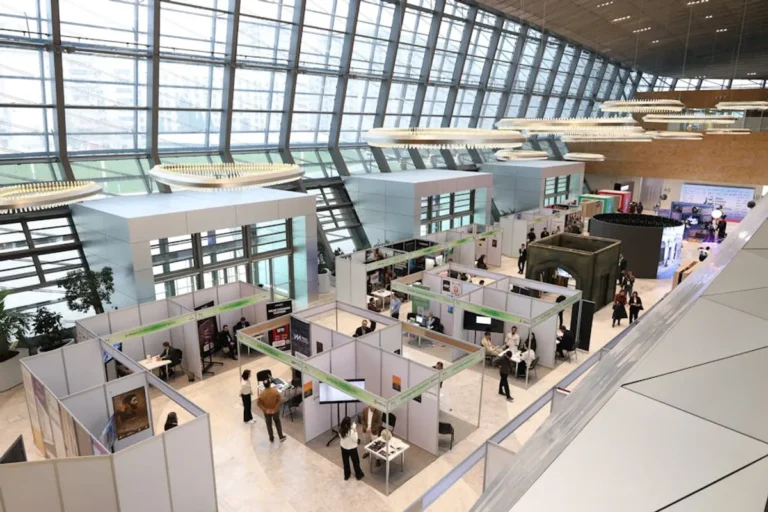

Building community around local events extends beyond mere attendance; it cultivates sustained engagement, amplifies word-of-mouth promotion, and establishes a loyal base for future initiatives. For event organizers, marketers, and site owners, a robust community translates directly into higher conversion rates, repeat participation, and valuable user-generated content. This guide outlines actionable strategies to transform one-time attendees into active community members, focusing on tangible methods for fostering connection and maximizing commercial impact. This community focus can significantly amplify efforts to promote a local concert or gathering, turning attendees into vocal advocates.
Understanding Your Local Audience and Event Niche
Effective community building begins with a precise understanding of who you are trying to reach and what unique value your event offers them. Generic approaches yield generic results; specificity drives engagement.
Identifying Core Demographics and Interests
Before launching any community initiative, analyze existing attendee data, local census information, and social media analytics. Pinpoint age ranges, geographic concentrations, income levels, and predominant interests. For example, a local food festival might discover its core demographic is young families interested in organic produce and live music, while a tech meetup might attract young professionals seeking networking and skill development. This granular data informs content strategy, communication channels, and partnership opportunities. Understanding their preferred communication methods—be it local Facebook groups, email newsletters, or dedicated forums—is crucial for initial outreach and sustained engagement.
Pinpointing Unique Event Value Propositions
Every event must offer a distinct reason for participation beyond its core activity. Is it exclusive access to local artisans, hands-on workshops with industry experts, or a unique historical immersion? Clearly articulate this differentiating factor. This value proposition becomes the cornerstone of your community messaging, attracting individuals who resonate with that specific benefit. For instance, a community garden event's unique value might be "learning sustainable urban farming techniques directly from local experts," which appeals to a specific, engaged segment.
Strategic Online and Offline Engagement
Community thrives on consistent interaction, both in digital spaces and face-to-face. A blended approach ensures maximum reach and deeper connections.
Leveraging Digital Platforms for Pre- and Post-Event Interaction
Digital channels are essential for maintaining momentum before and after the physical event. This isn't just about event promotion; it's about fostering ongoing dialogue.
- Dedicated Online Forums or Groups: Establish a branded space on platforms like Discord, Facebook Groups, or a forum on your own website. These provide a persistent hub for discussions, Q&A sessions, and sharing event-related content. Monitor these spaces actively to moderate discussions and pose engaging questions.
- Targeted Email Newsletters: Beyond event announcements, send out newsletters featuring community spotlights, behind-the-scenes content, upcoming local news relevant to the event's theme, and exclusive offers for community members. Segment lists based on past attendance or expressed interests to deliver highly relevant content.
- Interactive Social Media Campaigns: Run polls, Q&A sessions with event organizers or speakers, and contests that encourage user-generated content (UGC). Use relevant local hashtags to extend reach beyond your immediate followers. Schedule consistent posts that aren't solely promotional but offer value or spark conversation.
- Live Streams and Webinars: Host pre-event "meet the speaker" sessions or post-event "deep dive" discussions. These can be recorded and shared, providing evergreen content and further engagement opportunities for those who couldn't attend live.
Cultivating In-Person Connections During Events
The physical event itself is a prime opportunity to solidify digital connections and forge new ones. Design the event experience to facilitate interaction.
Best for: Fostering immediate, high-quality bonds.
Implement dedicated networking zones, guided ice-breaker activities, or small-group workshops that encourage participants to interact directly. Provide clear name badges with conversation starters (e.g., "Ask me about..."). Post-event, host informal "wrap-up" gatherings or follow-up workshops to extend the in-person connection. Encourage attendees to share their contact information or connect on the dedicated online platforms established earlier.
Pro Tip: Implement a "community host" program at your events. These are designated, friendly individuals (staff or trained volunteers) whose sole purpose is to facilitate introductions, answer questions, and ensure attendees feel welcomed and connected, especially first-timers. This human touch significantly reduces social friction and boosts perceived value.
Content Creation and Storytelling for Community Growth
Content is the fuel for community engagement. It provides reasons to interact, share, and return. Focus on authentic narratives and participant contributions.
User-Generated Content and Testimonials
Actively solicit and showcase content created by your community members. This includes photos, videos, written reviews, and social media posts. Run contests for the best event photos, feature attendee stories on your blog or social channels, and highlight positive testimonials prominently. This not only provides authentic social proof but also makes community members feel valued and recognized, encouraging further participation.
Event Recaps and Future Previews
Post-event, create compelling recaps that capture the energy and key moments. Use professional photography and videography, but also integrate UGC. Highlight successful outcomes, key learnings, and memorable interactions. Simultaneously, offer "sneak peeks" or early bird access to information about future events or community initiatives. This creates a sense of anticipation and exclusivity, reinforcing the value of remaining part of the community.
Building a Sustainable Volunteer and Ambassador Network
A dedicated network of volunteers and ambassadors can significantly extend your community's reach and impact, turning passive attendees into active advocates.
Recruitment and Training for Community Advocates
Identify enthusiastic attendees who consistently engage with your events and online channels. Approach them with clear roles and responsibilities for volunteer or ambassador positions. These roles could include social media promotion, event-day assistance, content contribution, or moderating online forums. Provide comprehensive training on event messaging, community guidelines, and how to effectively represent your event. Clearly define the benefits, such as free access, exclusive merchandise, or networking opportunities.
Recognition and Retention Strategies
Sustaining a volunteer network requires consistent recognition and appreciation. Publicly acknowledge their contributions through social media shout-outs, dedicated sections on your website, or during event announcements. Offer exclusive perks like early access to tickets, special merchandise, or private appreciation events. Regularly solicit feedback from your advocates to ensure their roles remain fulfilling and to identify areas for improvement in your community strategy. A recognized and valued ambassador is a retained ambassador.
Measuring Impact and Iterating for Improvement
Community building is an ongoing process that requires continuous evaluation and adaptation. Define metrics to track success and establish feedback loops.
Key Performance Indicators for Community Health
Track metrics that indicate active engagement and growth. These include:
- Online Engagement Rates: Forum post counts, social media interactions (likes, shares, comments), email open and click-through rates for community-specific content.
- Event Attendance Growth: Not just overall numbers, but repeat attendees and referrals from existing community members.
- User-Generated Content Volume: Number of photos, videos, or testimonials shared by attendees.
- Volunteer/Ambassador Retention: The percentage of advocates who continue their roles over multiple events.
- Sentiment Analysis: Monitor mentions and discussions to gauge overall community sentiment towards your events and brand.
Feedback Loops and Adaptation
Regularly collect feedback through surveys, direct interviews with community members, and open calls for suggestions on your online platforms. Analyze this feedback to identify pain points, popular features, and unmet needs. Use these insights to refine event formats, content strategies, and engagement tactics. For example, if feedback indicates a desire for more networking, increase dedicated networking time at future events or introduce a new online networking tool. Continuous iteration based on data ensures your community remains vibrant and relevant.
Sustaining Engagement Beyond the Event Cycle
Building a thriving community around local events requires a shift from transactional interactions to ongoing relationships. By focusing on audience understanding, strategic engagement across digital and physical touchpoints, compelling content, and a strong advocate network, organizers can cultivate a loyal base that amplifies their efforts. Consistent measurement and adaptation based on community feedback are critical for long-term success, transforming individual events into a cohesive, enduring movement.
Frequently Asked Questions
How long does it take to build a strong event community?
Building a strong community is an iterative process that typically takes 6-12 months to establish a noticeable core, and several years to mature into a self-sustaining ecosystem. Consistency in engagement and value delivery is more critical than rapid growth.
What are the most common mistakes in event community building?
Common mistakes include treating community channels solely as promotional platforms, failing to actively moderate and engage with members, neglecting to recognize and empower advocates, and not clearly defining the community's purpose or unique value proposition.
Should I use multiple platforms for my event community?
It's often effective to use a primary platform for deep engagement (e.g., a dedicated forum or Facebook Group) and secondary platforms (e.g., Instagram, Twitter) for broader reach and content distribution. Avoid spreading resources too thin; focus on where your core audience is most active.
How can I measure the ROI of community building efforts?
Measure ROI by correlating community engagement metrics (e.g., forum activity, UGC volume) with direct business outcomes such as increased ticket sales, higher repeat attendance rates, reduced marketing costs due to word-of-mouth, and improved sponsor satisfaction from enhanced audience reach.