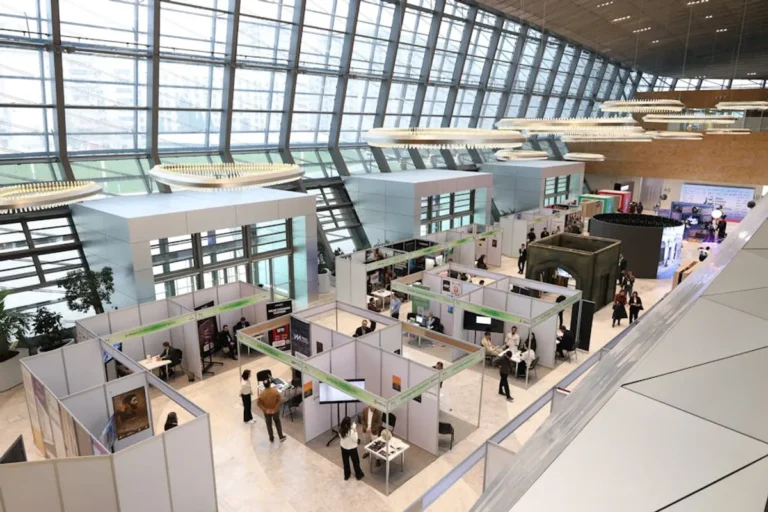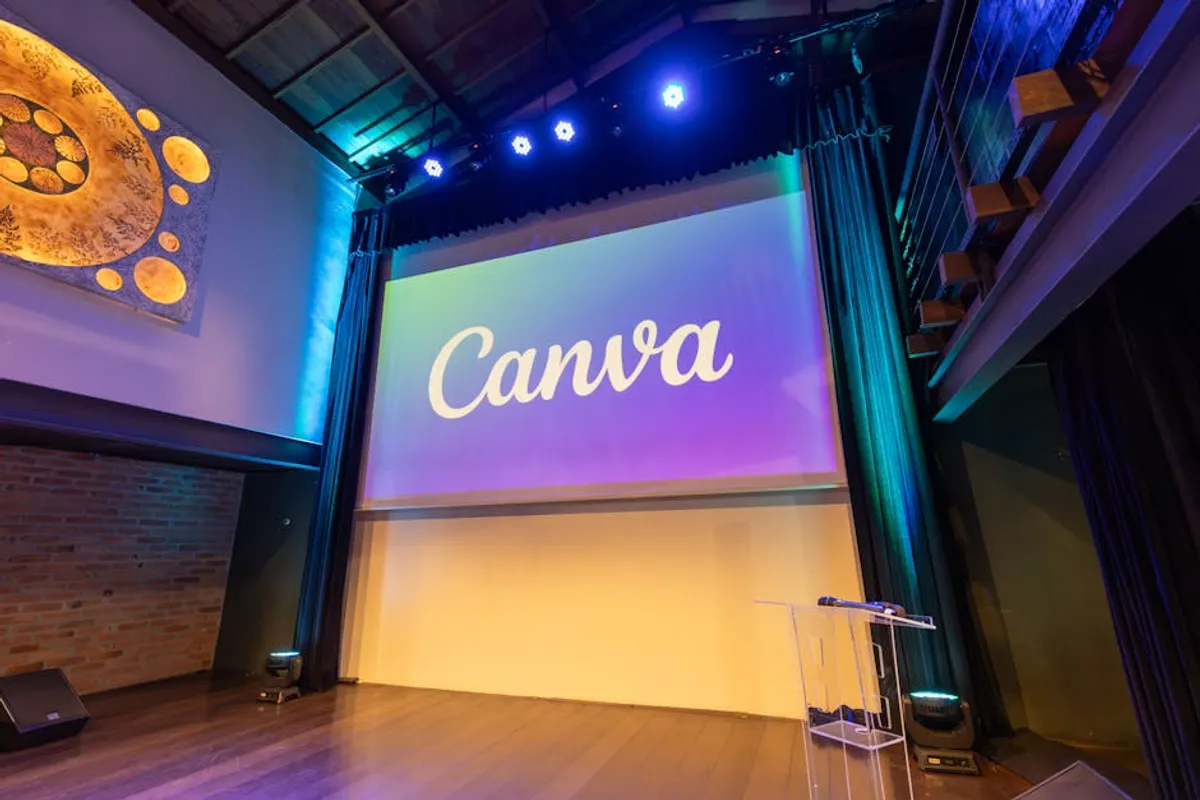
Organizing an event often involves a significant budget allocation for decorations, yet it is possible to create visually appealing and memorable settings without incurring excessive costs. The challenge lies in identifying creative solutions that deliver high impact using readily available, inexpensive, or repurposed materials. This approach prioritizes ingenuity and strategic placement over sheer expense, ensuring the event’s aesthetic enhances the overall experience rather than depleting resources. Effective budget decorating focuses on maximizing the perceived value of each element, turning simple concepts into striking visual statements.
What to Look For in Budget Event Decorations
When selecting decoration ideas for a limited budget, prioritize options that offer versatility, reusability, and a high impact-to-cost ratio. Look for materials that can be sourced locally or repurposed from existing items. Consider the effort required for DIY projects; some ideas offer significant savings but demand considerable time or specific skills. Evaluate whether an idea can be scaled up or down to suit different event sizes and themes, ensuring flexibility. Focus on elements that draw attention strategically, such as lighting, focal points, or thematic clusters, rather than attempting to decorate every surface uniformly. The goal is to achieve a cohesive, polished look through deliberate choices, not widespread extravagance.
1. Strategic Lighting
Lighting is one of the most transformative and cost-effective decoration elements, capable of entirely changing the ambiance of a space. Fairy lights, string lights, LED uplights, and even carefully placed candles can create warmth, drama, or a festive glow. These elements manipulate perception, drawing attention to specific areas and masking less appealing features. The key is strategic placement: wrapping lights around pillars, draping them across ceilings, or using them to highlight a backdrop or entrance. LED options are energy-efficient and often come with color-changing capabilities, providing versatility for various themes.
Best For: Evening events, weddings, intimate gatherings, corporate dinners, creating romantic or sophisticated atmospheres.
Pros: High visual impact for relatively low cost; easily reusable; can define spaces and create focal points; LED options offer color customization and energy efficiency.
Cons: Requires access to power outlets; some installations can be time-consuming; quality of light sources varies, impacting overall effect.
Verdict: An indispensable tool for budget decorators, strategic lighting provides unparalleled atmospheric control. Its ability to transform a venue with minimal material cost makes it a foundational element for any event planner.
2. DIY Centerpieces with Natural Elements
Crafting centerpieces using natural elements like branches, leaves, seasonal fruits, pebbles, or wildflowers offers an elegant and eco-friendly solution. These materials are often free or very inexpensive, sourced from local environments or farmers' markets. Simple glass jars, repurposed bottles, or even small wooden crates can serve as containers. The beauty lies in their organic texture and form, creating a rustic, sophisticated, or whimsical aesthetic depending on the arrangement. Combining natural elements with a few purchased items, like votive candles or a single striking flower, elevates the design without significant expense.
Best For: Rustic weddings, garden parties, autumn events, eco-conscious gatherings, creating a fresh and authentic feel.
Pros: Extremely low material cost; unique and personalized designs; environmentally friendly; promotes creativity.
Cons: Requires time for foraging and assembly; natural elements have a limited lifespan; consistency across multiple tables can be challenging without careful planning.
Verdict: This approach allows for highly personalized and charming decor that connects guests with nature. It demands creative vision and execution time but delivers distinct, memorable results for minimal financial outlay.
3. Balloon Garlands and Arches
Modern balloon decorations have evolved far beyond simple clusters. Elaborate balloon garlands and arches, often incorporating different sizes and colors, create impressive focal points and photo opportunities. While individual balloons are inexpensive, the visual impact of a well-constructed garland is significant. DIY kits are widely available, providing the necessary tools and instructions. Air-filled designs eliminate the need for costly helium, further reducing expenses. These installations can delineate specific areas, frame entrances, or serve as vibrant backdrops.
Best For: Birthdays, baby showers, corporate branding events, grand openings, creating a festive and celebratory atmosphere.
Pros: High visual impact for a relatively low material cost; customizable colors and sizes; creates excellent photo backdrops; DIY-friendly with kits.
Cons: Time-consuming to assemble large structures; balloons are single-use and generate waste; can be susceptible to environmental factors (heat, wind) if outdoors.
Verdict: Balloons offer an undeniable "wow" factor on a budget, especially when arranged creatively. Their versatility in color and form makes them a powerful tool for injecting instant festivity and branding into any event space.
4. Repurposed Materials
Transforming everyday objects into decorative elements is a cornerstone of budget event planning. Items like glass jars, wine bottles, wooden pallets, old books, or even fabric scraps can be given new life with a coat of paint, some embellishments, or a clever arrangement. Mason jars become candle holders or vases; pallets can be fashioned into seating or display tables; old books can form risers for centerpieces. This approach not only saves money but also adds a unique, often whimsical, or industrial charm that store-bought decor cannot replicate.
Best For: Bohemian themes, rustic events, industrial chic designs, environmentally conscious gatherings, creating unique and personalized touches.
Pros: Extremely low or no material cost; highly customizable; environmentally friendly; adds character and unique storytelling to the decor.
Cons: Requires significant time for sourcing and crafting; results depend heavily on DIY skills; can look unprofessional if executed poorly.
Verdict: Repurposed decor is a testament to creativity over cost. It offers unparalleled customization and a distinctive aesthetic, provided there's a commitment to thoughtful design and execution.
5. Printable Decor and Signage
Leveraging digital design and home printing can significantly reduce costs for personalized decor. Custom banners, directional signs, table numbers, place cards, photo booth props, and even large-format backdrops can be designed digitally and printed on standard paper or cardstock. Many templates are available online, or a designer can create bespoke graphics for a one-time fee. Printing at home or a local print shop is far cheaper than custom-made physical signage. This allows for cohesive branding or thematic elements across the event without the expense of specialized fabrication.
Best For: Corporate events, themed parties, weddings, birthdays, ensuring consistent branding and personalization.
Pros: Highly customizable and personalized; cost-effective for large quantities; quick turnaround once designed; ensures cohesive branding.
Cons: Requires access to a printer and design software/skills; quality depends on printer and paper; large items may need professional printing, increasing cost.
Verdict: Printable decor provides a flexible and affordable way to infuse personality and professionalism into an event. It's particularly effective for conveying specific messages or reinforcing a theme cohesively.
6. Fabric Draping and Tablecloths
Fabric is a powerful tool for transforming spaces, adding softness, color, and elegance. Inexpensive fabrics like tulle, chiffon, or even bed sheets can be draped across ceilings, walls, or used to create backdrops. Strategically placed tablecloths in coordinating colors can elevate plain tables. Fabric can conceal less attractive features of a venue or define distinct areas. Purchasing fabric in bulk or renting basic linens can be more cost-effective than buying individual decorative items, offering a broad impact for a relatively modest investment.
Best For: Weddings, formal dinners, creating elegant or romantic atmospheres, concealing venue imperfections, defining spaces.
Pros: High visual impact; softens harsh environments; adds color and texture; versatile for various draping techniques; can be rented or purchased affordably.
Cons: Requires careful installation to look professional; large quantities can still add up; may require steaming or ironing to look pristine.
Verdict: Fabric draping offers a sophisticated and effective way to transform a venue. Its ability to create visual flow and hide imperfections makes it a valuable asset for budget-conscious event designers aiming for elegance.
7. Greenery and Potted Plants
Incorporating live or faux greenery and potted plants brings a fresh, organic feel to any event. Potted plants can serve as centerpieces, aisle markers, or decorative accents around the venue. They add texture, color, and life without the high cost of cut flowers. Live plants can often be borrowed from homes, rented from nurseries, or purchased affordably and then gifted or reused. Faux options offer reusability and zero maintenance. Large ferns, small trees, or trailing ivy can create a lush, inviting atmosphere.
Best For: Garden parties, eco-friendly events, rustic themes, corporate events, creating a calming and natural environment.
Pros: Adds freshness and life; reusable (live plants); low cost for significant impact; environmentally friendly; faux options are durable and require no maintenance.
Cons: Live plants require care and transportation; faux plants can look cheap if not chosen carefully; limited color palette compared to flowers.
Verdict: Greenery provides an enduring and sophisticated decorative solution. Its natural beauty and potential for reuse make it a smart, sustainable choice for enhancing any event space.
8. Themed Food Displays
When food is presented creatively, it doubles as a decorative element, reducing the need for separate decor items. A dessert bar with color-coordinated treats, a charcuterie board artfully arranged, or a beverage station with custom labels and garnishes can become a focal point. The visual appeal of the food itself, combined with thoughtful serving dishes, risers, and small thematic touches, contributes significantly to the overall aesthetic. This strategy integrates functionality with decoration, making every item serve a dual purpose.
Best For: Casual gatherings, themed parties, dessert receptions, cocktail hours, events where food is a central element.
Pros: Dual purpose (food and decor); creates an interactive focal point; enhances the guest experience; reduces separate decor costs.
Cons: Requires careful food presentation skills; food items are perishable; can be expensive if relying on specialty ingredients.
Verdict: Utilizing food as decor is an ingenious way to maximize budget efficiency. It ensures that resources spent on catering also contribute to the event's visual appeal, creating an engaging and delicious display.
9. Photo Walls and Backdrops
A dedicated photo wall or backdrop provides an interactive decorative element and a memorable keepsake opportunity for guests. This can be as simple as a plain wall adorned with streamers, balloons, or a fabric drape, or more elaborate with a custom-printed banner. DIY elements like paper flowers, fabric scraps, or even painted plywood can create stunning, personalized backdrops. These areas naturally draw guests, providing entertainment and a designated space for capturing memories, effectively serving as both decor and activity.
Best For: Weddings, birthdays, corporate events, social gatherings, creating interactive guest experiences and branding opportunities.
Pros: Creates an interactive focal point; encourages guest engagement; provides memorable photo opportunities; can be highly customized for themes or branding.
Cons: Requires a designated space; can be time-consuming to assemble complex designs; quality of photos depends on lighting and backdrop design.
Verdict: Photo walls offer significant decorative impact and guest engagement for a relatively low cost. They are a smart investment for creating buzz and lasting memories from an event.
10. Candlelight and Lanterns
Candles and lanterns are classic elements for creating a warm, inviting, and sophisticated atmosphere. Votive candles in simple glass holders, pillar candles of varying heights, or decorative lanterns can be distributed throughout a venue. They provide soft, flickering light that enhances intimacy and elegance. For safety and reusability, battery-operated LED candles are an excellent alternative, offering the same aesthetic without fire hazards. Grouping candles and lanterns creates a more dramatic effect than scattering them individually.
Best For: Evening events, romantic settings, weddings, intimate dinners, creating a cozy or elegant ambiance.
Pros: Creates a warm, inviting atmosphere; relatively inexpensive; reusable (especially LED options); adds elegance and intimacy.
Cons: Real candles pose fire risks and require supervision; LED candles require batteries; can be time-consuming to place and light many candles.
Verdict: Few elements match the timeless charm and atmospheric power of candlelight. It’s an accessible and effective way to imbue any event with warmth and sophistication, particularly for evening functions.
11. Streamers and Crepe Paper Art
Streamers and crepe paper are incredibly versatile and inexpensive materials that can achieve dramatic decorative effects. Beyond simple hanging, these materials can be twisted, woven, cut into fringes, or fashioned into elaborate paper flowers and backdrops. Creating a "streamer ceiling" or a multi-colored fringe wall can transform a plain room into a festive wonderland. The wide array of colors available allows for precise thematic matching, and the lightweight nature of the material makes installation relatively easy.
Best For: Children's parties, casual celebrations, themed events, creating vibrant and playful atmospheres.
Pros: Extremely low cost; wide range of colors; lightweight and easy to work with; high visual impact for the investment.
Cons: Can look cheap if not executed carefully; prone to tearing; single-use item, contributing to waste.
Verdict: Streamers and crepe paper, when used creatively and thoughtfully, offer an explosion of color and texture for minimal cost. They are ideal for conveying a sense of fun and festivity without overspending.
12. Personalized Digital Projections
For venues with appropriate surfaces, digital projectors can create stunning and dynamic decorative effects. Projecting custom images, patterns, logos, or even subtle animations onto walls, ceilings, or floors offers a high-impact, customizable solution. This eliminates the need for physical decor in those areas, as the projection itself becomes the decoration. While the initial rental or purchase of a projector might be an investment, the ability to change themes, colors, or branding instantly offers unparalleled versatility and reusability for future events.
Best For: Corporate events, themed parties, large venues, weddings, creating dynamic branding or immersive experiences.
Pros: High visual impact and "wow" factor; highly customizable and dynamic; reusable (projector); can cover large areas effectively.
Cons: Requires a suitable projection surface and dark environment; initial equipment cost or rental fees; technical setup might be required.
Verdict: Digital projections represent a modern, high-tech approach to budget decor. They offer immense creative potential and scalability, making them a powerful tool for venues that can support the technology.
Implementing Your Budget Decoration Strategy
Successful budget decoration relies on meticulous planning and resourceful execution. Begin by defining a clear theme and color palette to ensure cohesion, avoiding disparate elements that can make the decor look haphazard. Prioritize key areas for decoration—entrances, focal points, and guest interaction zones—rather than trying to adorn every corner. Source materials early, taking advantage of sales, bulk discounts, or borrowing from friends and family. For DIY projects, allocate sufficient time for crafting and enlist help if needed. Create a detailed setup plan, including a timeline and assigned tasks, to streamline installation on event day. Consider the flow of guests and how decorations can guide them or enhance their experience. Finally, always have a contingency plan for unexpected issues, especially for outdoor elements or fragile items.
Frequently Asked Questions
How far in advance should I start planning budget decorations?
Begin planning at least 2-3 months in advance. This allows ample time for sourcing inexpensive or repurposed materials, completing DIY projects without rush, and taking advantage of sales or bulk purchases. Complex DIY elements might require even more lead time.
What are the most common mistakes to avoid when decorating on a budget?
Common mistakes include trying to decorate too many areas, leading to a sparse or unfinished look; not having a cohesive theme or color scheme; underestimating the time required for DIY projects; and failing to consider the venue's existing features, which could be incorporated or hidden.
Can budget decorations still look elegant or high-end?
Absolutely. Elegance often comes from thoughtful design, strategic placement, and attention to detail rather than expensive materials. Focusing on a limited color palette, using textures, incorporating strategic lighting, and ensuring clean, uncluttered arrangements can achieve a sophisticated look with budget-friendly items.
Where can I find affordable materials for DIY decorations?
Look for materials at dollar stores, craft supply stores (especially during sales), thrift shops, hardware stores, and even your own home for repurposing. Online marketplaces for used goods or local community groups can also be excellent sources for inexpensive or free items.
How can I make sure my DIY decorations look professional?
To achieve a professional look, focus on clean lines, consistent execution, and quality finishes. Use appropriate tools, take your time with crafting, and ensure all elements are securely assembled. Iron fabrics, clean repurposed items thoroughly, and test lighting setups in advance. Less is often more; a few well-executed pieces are better than many poorly made ones.