
Black Friday 2026 represents a critical juncture for retailers and marketers, marking the unofficial kickoff of the holiday shopping season. Unlike spontaneous sales, this event demands meticulous planning, extending far beyond simply discounting products. For 2026, Black Friday falls on November 27th, a date that should already be circled on every strategic calendar. The commercial opportunity lies not just in the single day, but in the entire weekend and the lead-up. Smart brands will leverage this period by creating engaging shopping experiences, moving beyond transactional discounts to foster deeper customer connection and drive higher average order values. This requires understanding the precise timing and then innovating with event-driven strategies, particularly "shopping parties," designed to capture attention in a saturated market. Smart brands will leverage this period by creating engaging shopping experiences, moving beyond transactional discounts to foster deeper customer connections and explore event ideas.
Pinpointing Black Friday 2026: The Critical Date
Black Friday 2026 is scheduled for Friday, November 27th. This date, always the Friday after Thanksgiving in the United States, sets the rhythm for global retail promotions. For marketers, understanding this fixed point early is non-negotiable. It dictates the timeline for inventory acquisition, supply chain logistics, creative asset development, advertising campaign launches, and staffing requirements. The commercial impact extends through the subsequent weekend, encompassing Small Business Saturday (November 28th) and Cyber Monday (November 30th). Each of these days offers distinct promotional angles and audience segments, requiring tailored messaging and offers. Early confirmation of the date allows for a phased rollout of marketing efforts, building anticipation and segmenting audiences based on their engagement patterns leading up to the main event.
Strategic Shopping Party Concepts for Black Friday 2026
In an environment where every brand offers discounts, a "shopping party" elevates the Black Friday experience beyond mere price cuts. These are curated events, either virtual or physical, designed to create excitement, exclusivity, and community around purchasing. For marketers, the goal is to transform a transactional moment into an engaging experience that encourages higher spend and brand loyalty.
Virtual Shopping Experiences: Expanding Reach
Virtual shopping parties leverage digital platforms to bring the event directly to the customer, irrespective of their location. These are particularly effective for brands with a dispersed audience or those aiming for high-volume engagement without the physical constraints of a brick-and-mortar store.
- Live Stream Shopping Events: Host interactive sessions on platforms like YouTube, Instagram Live, or dedicated e-commerce live-streaming tools. Feature product demonstrations, Q&A with experts, and real-time flash sales. Integrate direct purchase links to streamline the customer journey.
- Influencer Takeovers & Collaborations: Partner with relevant influencers to host exclusive shopping events on their channels. This taps into their established audience, leveraging their credibility to drive sales. Offer unique discount codes or early access to their followers.
- Exclusive Access & Early Birds: Create password-protected sections of your website or app for loyalty program members or those who pre-register. Offer a limited window for early access to Black Friday deals, fostering a sense of exclusivity and rewarding engaged customers.
- Gamified Shopping Sessions: Introduce interactive elements like trivia, scavenger hunts, or spin-the-wheel discounts during live events to keep participants engaged and reward purchases with additional incentives.
Pro Tip for Virtual Events: Ensure your website and e-commerce platform are robust enough to handle simultaneous high traffic and real-time purchases during live events. Technical glitches during a peak shopping moment can negate all marketing efforts and damage customer trust. Test server capacity and payment gateways extensively before launch.
Curated In-Store Events: Driving Foot Traffic and Engagement
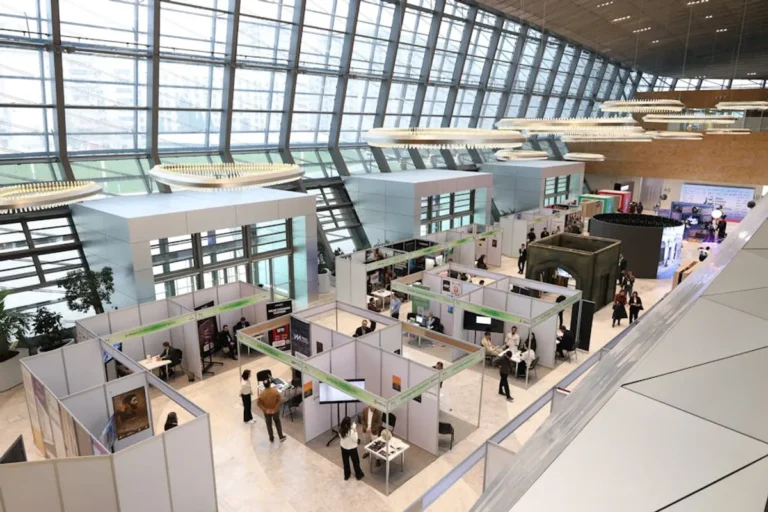
For brands with physical locations, in-store shopping parties can create a memorable experience that draws customers away from online alternatives. These events focus on atmosphere, personal interaction, and immediate gratification.
Best for: Brands aiming to create a premium experience, drive local foot traffic, or showcase products that benefit from in-person interaction.
- VIP Early Access Nights: Host an exclusive evening event for top-tier loyalty members or customers who RSVP. Offer complimentary refreshments, personal shopping assistance, and early access to deals before the general public.
- Themed Black Friday Launch Parties: Decorate the store according to a festive theme and offer entertainment, product demonstrations, or workshops. This transforms shopping into an experience, encouraging longer dwell times and impulse purchases.
- Bundling & Gifting Stations: Create dedicated areas where customers can receive personalized product recommendations, gift wrapping services, or create custom bundles at a special Black Friday price.
Collaborative Promotions: Amplifying Impact
Partnering with complementary brands or local businesses can expand reach and offer more compelling value propositions. This strategy allows for shared marketing costs and access to new customer segments.
Best for: Expanding market reach, cross-promotion, and offering unique value through combined products or services.
- Joint Virtual Events: Co-host a live shopping event with a non-competing brand whose audience aligns with yours. This allows for cross-promotion and shared content creation.
- Bundled Offers: Create exclusive product bundles that combine items from multiple brands, offering a unique value proposition that cannot be found elsewhere.
- Local Business Partnerships: If operating physically, collaborate with neighboring businesses for a "Black Friday Block Party," offering joint discounts or loyalty programs to encourage customers to visit multiple stores.
Operationalizing Your Black Friday 2026 Shopping Party
Execution is paramount. A well-conceived shopping party strategy requires meticulous operational planning to ensure a seamless customer experience and maximize sales.
Pre-Event Marketing and Teasers
Begin building anticipation weeks in advance. Utilize email marketing, social media campaigns, and paid advertisements to announce the event, highlight key offers, and encourage sign-ups or RSVPs. Develop a content calendar that progressively reveals details, creating a sense of urgency and excitement.
Logistics and Customer Experience
Ensure your operational backbone is ready. This includes robust inventory management to prevent stockouts, a stable e-commerce platform capable of handling traffic spikes, and a responsive customer service team. Train staff on event specifics and potential customer inquiries. For physical events, consider crowd control, checkout efficiency, and safety protocols. Post-purchase, focus on efficient fulfillment and clear communication regarding shipping and delivery.
Key elements for a successful Black Friday shopping party include:
- Clear communication of event details and offers.
- Seamless integration of online and offline touchpoints.
- Sufficient inventory and streamlined order fulfillment.
- Engaged and well-trained staff (virtual or in-person).
- Robust technical infrastructure for digital events.
- Post-event follow-up and feedback collection.
Maximizing Post-Event Data and Learnings
The conclusion of Black Friday 2026 is not the end of the process. Analyze key performance indicators (KPIs) such as website traffic, conversion rates, average order value, customer acquisition cost, and return rates. Gather qualitative feedback from customer service interactions and social media sentiment. This data is invaluable for optimizing future promotional strategies and understanding evolving consumer behavior, ensuring that insights from 2026 inform your approach for 2027 and beyond.
Preparing for Black Friday 2026 Success
Black Friday 2026, falling on November 27th, demands proactive and creative planning. Moving beyond simple discounts, the strategic implementation of virtual or in-store shopping parties offers a potent method for engaging customers, driving higher sales volumes, and fostering brand loyalty. Success hinges on early preparation, robust logistical support, and a commitment to analyzing post-event data to refine future commercial endeavors. By treating Black Friday as an experiential event rather than merely a sales day, marketers can significantly enhance their commercial outcomes.
Frequently Asked Questions
When exactly is Black Friday 2026?
Black Friday 2026 will occur on Friday, November 27th. This date always falls on the Friday immediately following the Thanksgiving holiday in the United States.
What is a Black Friday shopping party in a commercial context?
A Black Friday shopping party is a curated event, either virtual or in-person, designed by retailers to create an engaging, exclusive, and interactive purchasing experience around Black Friday deals, moving beyond basic discounts to foster community and excitement.
How early should I start planning for Black Friday 2026?
Strategic planning for Black Friday 2026 should ideally begin 6-9 months in advance, allowing ample time for inventory forecasting, marketing campaign development, technical infrastructure checks, and partnership negotiations.
What are key metrics to track for a Black Friday event?
Essential metrics include website traffic, conversion rates, average order value (AOV), customer acquisition cost (CAC), return rates, email open/click-through rates, social media engagement, and customer feedback.