Executing a successful event, whether a product launch, industry conference, or community gathering, relies less on serendipity and more on a structured, meticulous approach to its foundational elements. Without a clear framework for managing the core components of venue, guest experience, timing, and promotion, even the most innovative event concept can falter in execution. This guide outlines the critical considerations and actionable steps necessary to translate an event vision into a commercially viable and impactful reality, ensuring each stage contributes directly to your strategic objectives.
Strategic Venue Selection
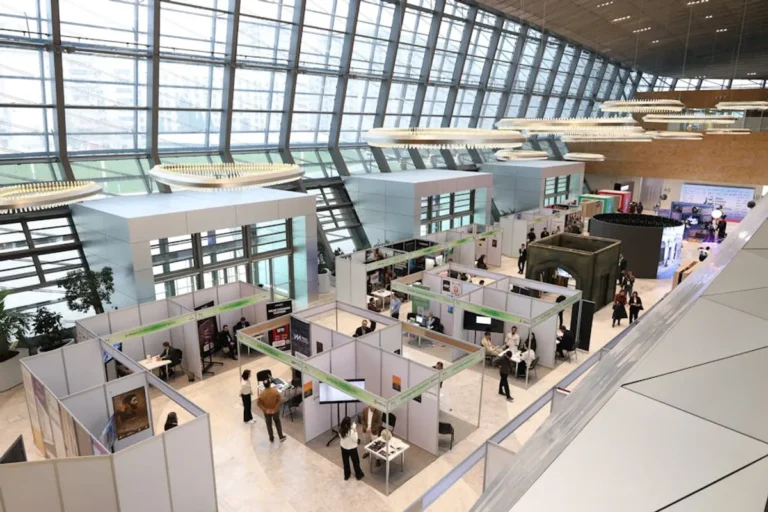
The chosen venue dictates much more than just location; it influences attendee experience, logistical feasibility, and overall budget allocation. A strategic venue decision aligns with the event's purpose, target audience, and brand identity. Evaluate potential spaces beyond aesthetics, focusing on practicalities that impact operational flow and attendee comfort.
- Capacity and Layout: Verify the venue comfortably accommodates your expected attendance, allowing for adequate seating, networking areas, and breakout rooms without feeling cramped or overly sparse. Consider flow for registration, catering, and foot traffic.
- Accessibility and Location: Assess ease of access for attendees, including public transport links, parking availability, and proximity to accommodations. For multi-day events, a central or well-connected location can significantly improve attendance rates.
- Technical Infrastructure: Confirm robust Wi-Fi, sufficient power outlets, AV equipment capabilities, and technical support. These are non-negotiable for presentations, live streaming, and interactive elements.
- Branding Opportunities: Look for spaces that allow for custom branding, signage, and thematic decoration, enhancing brand visibility and reinforcing event messaging.
- Contractual Terms: Scrutinize cancellation policies, payment schedules, insurance requirements, and included services. Understand all hidden costs, such as service charges, staffing, and equipment rentals, before signing.
Pro Tip: Always conduct a physical site visit, ideally during a similar event type or at a time when you can observe typical operations. This helps identify potential bottlenecks, assess acoustics, and confirm technical specifications that might not be evident from floor plans or virtual tours.
Targeted Guest Management
Effective guest management begins long before invitations are sent. It involves identifying the precise audience, crafting compelling reasons for their attendance, and streamlining their journey from initial contact to post-event engagement. This strategic focus ensures you attract the right people and provide value that resonates.
Audience Definition and Segmentation
Clearly define your ideal attendee profile. This includes demographic data, professional roles, interests, and specific pain points your event aims to address. Segmenting this audience allows for tailored messaging and content tracks. For example, a B2B conference might segment by industry, company size, or job function.
Invitation Strategy and Communication Flow
Develop a multi-channel invitation strategy. Email marketing remains a primary channel, but integrate social media campaigns, partner outreach, and targeted advertising. Ensure all communications clearly articulate the event's value proposition, key speakers, agenda highlights, and a clear call to action for registration.
Consider: Implementing a tiered registration system (e.g., early bird, standard, last-minute) to incentivize early sign-ups and manage capacity expectations. Use a reliable event registration platform to handle sign-ups, payments, and attendee data securely.
On-Site Experience and Follow-Up
Plan for a seamless check-in process. Utilize name badges that facilitate networking, and provide clear directional signage. Post-event, execute a timely follow-up strategy, including thank-you notes, access to recorded sessions or presentations, and a feedback survey to gather insights for future events. This reinforces value and maintains engagement.
Optimizing Event Timing and Logistics
Timing extends beyond merely selecting a date; it encompasses the entire planning timeline, critical deadlines, and the minute-by-minute flow of the event itself. Meticulous logistical planning minimizes unforeseen issues and ensures a smooth, professional execution.
Strategic Scheduling
Select a date that avoids major holidays, competing industry events, or peak travel seasons that could deter attendance. Consider the day of the week and time of day most convenient for your target audience. For virtual events, account for different time zones if you have an international audience.
Critical Planning Timeline
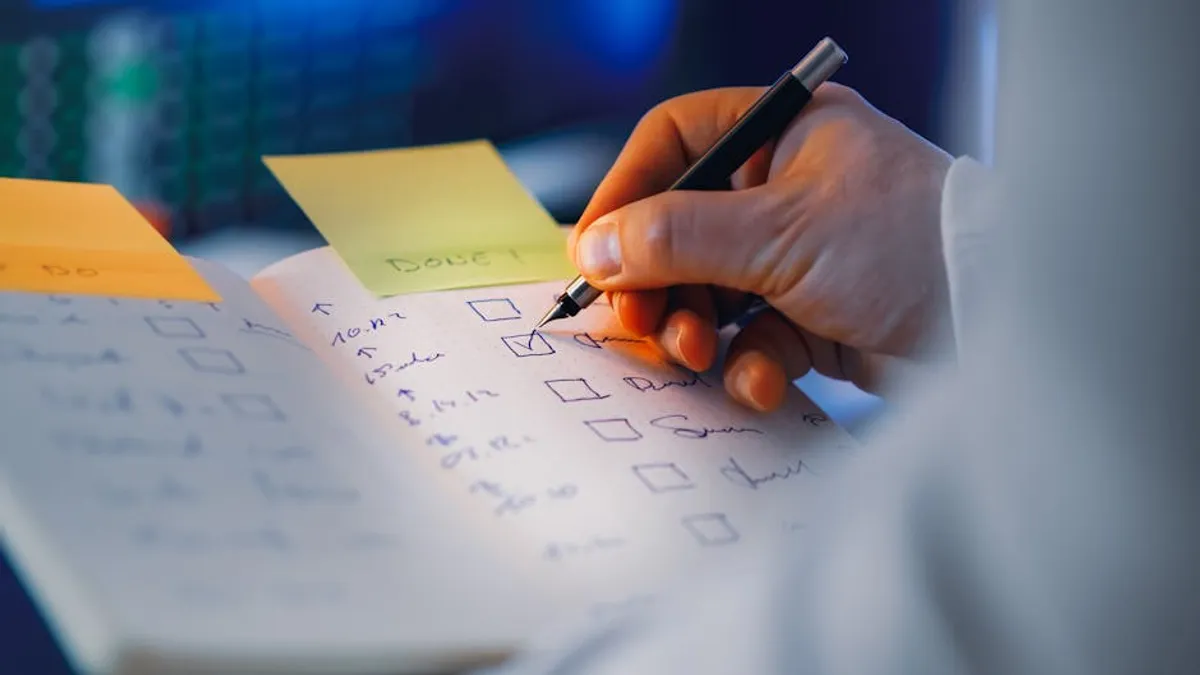
Develop a detailed project plan with key milestones, responsible parties, and deadlines. This should cover everything from venue booking and speaker confirmation to marketing campaign launches and content finalization. Work backward from the event date to ensure adequate preparation time for each task.
A typical timeline might include:
- 6-12 Months Out: Define objectives, budget, target audience, venue search, speaker outreach.
- 3-5 Months Out: Finalize venue, confirm key speakers, launch initial marketing, open registration.
- 1-2 Months Out: Intensify promotion, finalize agenda, arrange catering/AV, brief staff.
- 1-2 Weeks Out: Send attendee reminders, finalize presentations, conduct tech checks, print materials.
- Event Day: Execute schedule, manage registration, troubleshoot issues, engage attendees.
Operational Flow and Contingency Planning
Map out the event day schedule in detail, including buffer times between sessions. Assign clear roles and responsibilities to all staff and volunteers. Crucially, develop contingency plans for common issues: speaker cancellations, technical malfunctions, inclement weather, or lower-than-expected attendance. Having backup solutions in place prevents minor setbacks from becoming major disruptions.
Effective Event Promotion Strategies
Even the most meticulously planned event requires robust promotion to achieve its attendance goals. A multi-channel marketing approach, tailored to your audience and event type, is essential for maximizing visibility and driving registrations.
Content Marketing Integration
Leverage your existing content channels. Publish blog posts related to event themes, create speaker spotlights, and share behind-the-scenes content on social media. Develop engaging video teasers or short interviews with presenters to generate excitement and provide a preview of the value attendees will gain.
Digital Advertising and SEO
Utilize targeted digital advertising campaigns on platforms like LinkedIn, Google Ads, or relevant industry-specific sites. Focus on demographics, interests, and professional titles that align with your ideal attendee profile. Ensure your event landing page is optimized for relevant keywords, making it discoverable through organic search.
Partnerships and Media Outreach
Collaborate with industry partners, sponsors, and media outlets. Partners can help extend your reach to their networks, while media outreach can secure press coverage or mentions. Offer exclusive content or speaker access to journalists to increase their interest. Co-promotion with speakers is also a powerful tactic, as they often have engaged audiences eager to hear them present.
Social Media Engagement
Create a dedicated event hashtag and encourage its use across all platforms. Run polls, Q&As, and countdowns to build anticipation. Post regularly with updates on speakers, agenda items, and networking opportunities. Live-tweet during the event to engage virtual attendees and provide real-time updates for those on-site.
Streamlining Event Success
A successful event is a product of detailed planning across multiple interdependent functions. By systematically addressing venue suitability, guest engagement, precise timing, and multi-faceted promotion, organizers can mitigate risks and enhance the attendee experience. Each element, when optimized, contributes to the event's commercial impact and strengthens its overall value proposition. Post-event analysis, including feedback collection and performance metrics review, provides crucial insights for continuous improvement, ensuring future events build on past successes and adapt to evolving audience needs.
Frequently Asked Questions
How far in advance should I start planning an event?
For large-scale conferences or complex corporate events, planning should ideally begin 6-12 months in advance to secure preferred venues, speakers, and adequate promotional lead time. Smaller workshops or local gatherings might require 2-4 months.
What is the most critical element for event success?
While all elements are crucial, clearly defining your event's objectives and target audience is arguably the most critical. This foundational clarity guides all subsequent decisions, from content and speakers to venue and promotional strategies, ensuring every effort aligns with a measurable goal.
How do I measure the success of my event?
Success metrics vary by event type but commonly include attendance numbers, attendee satisfaction scores (from surveys), lead generation or sales conversions, media mentions, social media engagement, and return on investment (ROI) against the event budget.
What are common pitfalls to avoid in event planning?
Common pitfalls include underestimating budget requirements, neglecting contingency planning, insufficient promotion, poor communication with attendees or vendors, and failing to collect post-event feedback for improvement.