Capturing the essence of an event goes beyond merely documenting attendees and speakers; it involves distilling the atmosphere, key interactions, and emotional peaks into compelling visual narratives. For brands, agencies, and publishers, high-quality event photography serves as a critical asset for marketing campaigns, public relations, social media engagement, and historical archiving. These aren't just snapshots; they are strategic content pieces that extend the life and impact of an event, providing tangible returns on investment by reinforcing brand identity and connecting with audiences long after the lights dim. Understanding the technical and artistic nuances of event photography ensures that every click contributes to a memorable, commercially valuable visual record. These strategic content pieces can significantly extend the life and impact of an event, making them valuable for future use.
Pre-Event Planning and Communication
Effective event photography begins long before the first guest arrives. Thorough preparation ensures that photographers are aligned with client objectives and equipped for the specific environment.
Understanding Client Expectations
A detailed pre-event briefing is non-negotiable. This involves understanding the event's purpose, key stakeholders, critical moments to capture, and any specific brand guidelines. Clarify the desired photographic style, whether it's formal, candid, editorial, or a blend. Discuss the intended use of the images (e.g., website, press release, internal communications, social media) as this influences resolution, aspect ratios, and post-production priorities. Establish a shot list that prioritizes VIPs, specific installations, branding elements, and crucial interactions.
Site Reconnaissance and Lighting Assessment
Visiting the venue beforehand allows photographers to anticipate challenges and opportunities. Assess natural light sources, identify areas with poor lighting, and note potential backdrops. This reconnaissance informs equipment choices, such as the need for external flashes, diffusers, or faster lenses. Understanding the layout also helps in planning movement paths to avoid obstructing guests or key event elements, ensuring seamless coverage of the entire space.
Technical Considerations During the Event
The dynamic nature of events demands technical proficiency and adaptability to changing conditions.
Mastering Light: Natural and Artificial
Light is the fundamental element of photography. During events, photographers must quickly adapt to varying light conditions, from bright outdoor settings to dimly lit indoor venues. Utilize available natural light whenever possible for a softer, more authentic look. When natural light is insufficient, employ artificial lighting strategically. On-camera flash can be harsh; bouncing it off ceilings or walls provides a more diffused, flattering light. For larger spaces, off-camera flash or continuous LED lighting can create more controlled and dramatic effects, especially for speaker presentations or product displays.
Equipment Selection for Dynamic Environments
The right gear facilitates versatility and reliability.
- Camera Bodies: Two professional-grade camera bodies are recommended for redundancy and to avoid constant lens changes.
- Lenses: A versatile zoom lens (e.g., 24-70mm f/2.8) is essential for general coverage. A wider lens (e.g., 16-35mm f/2.8) is crucial for group shots and capturing the scale of the venue. A telephoto lens (e.g., 70-200mm f/2.8) allows for candid shots from a distance without intruding on the moment, ideal for speakers or audience reactions.
- Flash Units: External flash units with diffusers or softboxes provide controlled lighting.
- Batteries and Memory Cards: Ample spares are critical. Events are often long, and opportunities are fleeting.
Capturing Candid vs. Posed Shots
A balanced mix of candid and posed photography provides a comprehensive event narrative. Candid shots capture genuine emotions and spontaneous interactions, offering an authentic glimpse into the event's atmosphere. These often require a longer lens to maintain discretion. Posed shots, while more controlled, are necessary for documenting VIPs, sponsors, and specific groups. Ensure posed shots are efficient and well-lit, providing clear, usable images for formal communications.
Composition and Storytelling
Beyond technical execution, the ability to compose images that tell a story elevates event photography from mere documentation to compelling visual content.
Framing the Narrative: Wide, Medium, Tight Shots
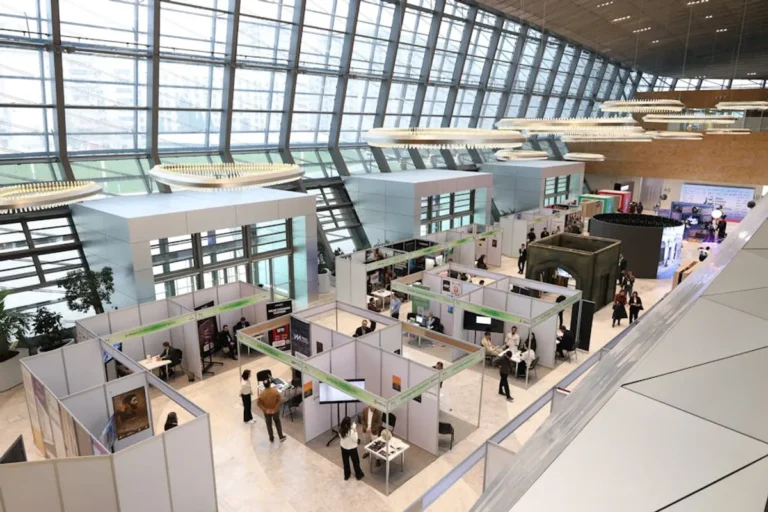
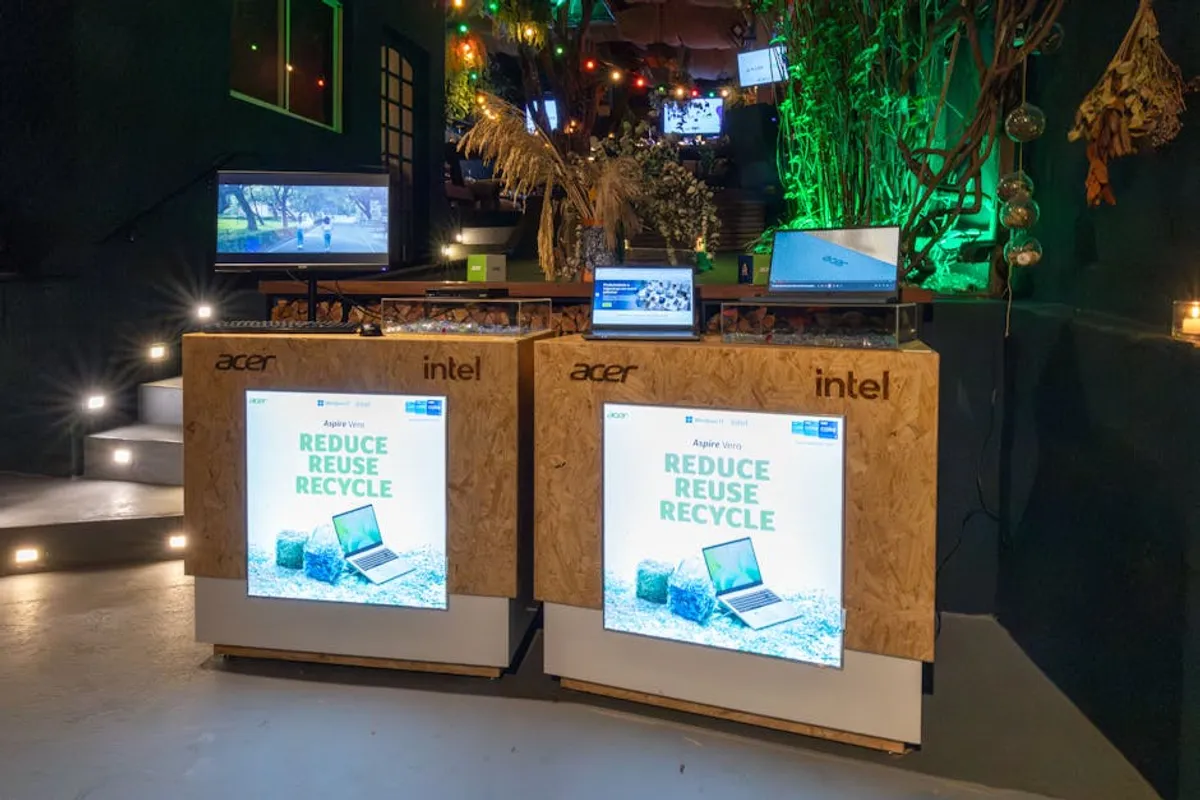
Varying shot types creates a dynamic visual record. Wide shots establish the scene and convey the scale of the event. Medium shots focus on groups or interactions, providing context. Tight shots highlight details, emotions, and specific branding elements. By consciously switching between these perspectives, photographers build a visual story that is both comprehensive and engaging.
Focusing on Key Moments and Interactions
Anticipation is key. Photographers must observe and predict key moments: a speaker's impactful gesture, a handshake between important figures, a moment of laughter, or an attendee's focused engagement. These moments, often fleeting, are the emotional anchors of the event and provide the most impactful visual content. Prioritize capturing genuine human connection and reaction.
Pro Tip: Always shoot in RAW format. While JPEG is convenient, RAW files retain significantly more image data, offering greater flexibility during post-processing for correcting exposure, white balance, and recovering details in highlights and shadows. This is invaluable in unpredictable event lighting conditions, ensuring maximum quality for diverse usage needs.
The Importance of Backgrounds and Context
A strong background enhances a photograph's impact. Avoid distracting elements like cluttered tables, exit signs, or unflattering angles. Instead, use backgrounds to provide context, such as branded banners, architectural features of the venue, or a lively crowd. A clean, relevant background reinforces the event's identity and professional presentation.
Post-Production and Delivery
The work isn't finished when the event ends. Post-production refines the raw images into polished assets.
Culling and Editing Workflow
Efficient culling (selection) and editing are crucial. Start by quickly reviewing all images, deleting obvious discards (blurry, misfired). Then, select the best shots that meet the client's brief, focusing on sharpness, composition, and emotional impact. Editing involves color correction, exposure adjustments, cropping, and minor retouching. Maintain a consistent look and feel across all images to ensure brand cohesion. Batch editing tools can significantly speed up this process.
Image Delivery and Usage Rights
Deliver images in agreed-upon formats (e.g., high-resolution JPEGs for print, web-optimized JPEGs for digital). Clearly define usage rights and licensing terms in the initial contract to prevent future misunderstandings. This includes specifying whether the client has exclusive rights, how long they can use the images, and for what purposes. Ensure all necessary model releases are obtained for identifiable individuals, especially if images are for commercial use.
Securing Lasting Visual Assets
Effective event photography is a blend of technical skill, artistic vision, and meticulous planning. By prioritizing clear communication with clients, understanding the event's objectives, and executing with precision, photographers can consistently deliver a rich visual narrative. These images become more than just memories; they are powerful marketing tools that extend the reach and impact of any event, providing valuable content for future campaigns and strengthening brand perception. Invest in a photographic approach that captures not just what happened, but how it felt, ensuring every moment contributes to a compelling, enduring story.
Frequently Asked Questions
What is the typical turnaround time for event photos?
Turnaround times vary widely based on the event's length, the number of images, and the complexity of post-production. For quick social media highlights, a selection of edited images might be delivered within 24-48 hours. A full gallery usually takes 1-2 weeks, but this should always be discussed and agreed upon in advance with the client.
Should event photos be watermarked?
Generally, delivered final images for client use are not watermarked, especially if the client has paid for full usage rights. Watermarks can be distracting and diminish the professional appearance of the photos. However, photographers might use watermarks on proofing galleries or for personal portfolio use if the images are publicly displayed without client consent.
How many photos can I expect from an event?
The number of deliverable photos depends on the event's duration, the photographer's coverage time, and the agreed-upon package. A general guideline might be 50-100 high-quality, edited images per hour of coverage, but this is highly variable. Quality over quantity is always the priority; a smaller selection of impactful images is more valuable than a large volume of mediocre ones.
What resolution should event photos be delivered in?
For maximum versatility, photos should ideally be delivered in high resolution suitable for print (e.g., 300 dpi at a large print size) and also in web-optimized resolutions (e.g., 72 dpi with appropriate dimensions) for online use. This ensures the images are suitable for various applications without loss of quality or excessive file size.