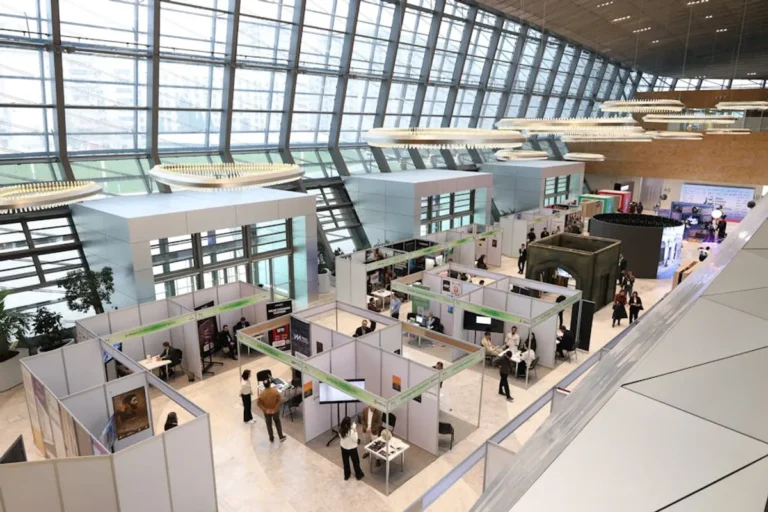

Promoting a local concert or community gathering demands a targeted approach that blends digital visibility with tangible community engagement. The objective is not just to announce an event, but to actively draw attendees from a specific geographic area who are genuinely interested. This requires understanding local information consumption habits, leveraging hyper-local channels, and building authentic connections within the community. A successful strategy focuses on maximizing attendance by reaching the right people through the right channels, converting interest into ticket sales or participation, and ultimately fostering community involvement. This involves a deeper focus on how you are building community around local events to foster lasting engagement.
Strategic Audience Identification
Defining Your Local Attendee Profile
Effective event promotion begins with a precise understanding of who you are trying to reach. This involves moving beyond general demographics to create detailed attendee profiles. For a concert, consider the specific music genre and its typical audience's age, income, and preferred leisure activities. For a community gathering, identify family status, local interests (e.g., arts, environmental issues, sports), and typical weekend routines. This granular detail informs all subsequent promotional decisions.
Justification: Tailoring messaging and channel selection directly to these profiles prevents wasted marketing effort. Data sources include local census information, anonymized insights from past event attendees, and social media analytics from similar local events or venues. Analyzing local competitor events can also reveal audience patterns.
Mapping Local Information Consumption
Once attendee profiles are established, identify where these individuals actively seek local event information. This varies significantly by community and demographic. Consider specific local Facebook groups, neighborhood-focused apps like Nextdoor, physical community bulletin boards in high-traffic areas, local radio show segments, and niche print publications such as free weekly newspapers or school newsletters.
Practical Application: Pinpointing these specific channels directs promotional budgets and efforts to where the target audience is already engaged, ensuring messages are seen and acted upon. For example, if your target audience primarily uses local community Facebook groups, allocate more resources to organic and paid posts within those groups.
Digital Visibility Tactics
Optimizing Online Event Listings
Digital event listings are foundational for local discoverability. Your Google Business Profile (GBP) is critical; create an "Event" post with all relevant details: date, time, precise location, a direct ticket purchase link, and a compelling, high-resolution image. Ensure your business category on GBP is accurate (e.g., "Concert Hall," "Community Center," "Live Music Venue").
Key Platforms:
- Eventbrite: For ticketing and broad event promotion.
- Bandsintown: Essential for music-focused events, reaching dedicated fans.
- Local Municipality Calendars: Many city or county websites feature community event sections.
- Chamber of Commerce Websites: Often have event listings for local businesses.
- Schema Markup: Implement Event Schema markup directly on your event's dedicated landing page. This helps search engines display rich results, including dates, times, and locations directly in search results, significantly enhancing visibility and click-through rates.
Geotargeted Social Media Campaigns
Social media offers precise targeting capabilities for local events. Facebook and Instagram provide broad reach, while Nextdoor excels in hyper-local neighborhood engagement. Content should be dynamic: short video clips from past events, behind-the-scenes glimpses, countdowns, and interactive polls related to event themes.
Paid Ad Strategy: Utilize precise geotargeting, setting a radius (e.g., 5-10 miles) around your event location. Combine this with interest-based targeting (e.g., "live music," "local festivals," "family activities") and consider creating lookalike audiences based on past attendees or website visitors. This ensures ad spend reaches the most relevant local users.
Engaging Local Email Subscribers
Email marketing remains a direct and effective channel for engaged audiences. Build a local email list by offering early bird ticket discounts for newsletter sign-ups, collecting emails at previous physical events, and partnering with local businesses for co-promotional email blasts to their customer lists.
Content Strategy: Segment your email list to send targeted messages based on past attendance or expressed interest. Include direct links to ticket purchases, detailed parking information, public transport options, and pre-event FAQs. Use a clear call-to-action and maintain a consistent sending schedule to build anticipation.
Grassroots and Community Engagement
Physical Promotion and Local Media Outreach
Despite digital dominance, physical promotion retains significant impact for local events. Design eye-catching posters and flyers with clear event details, a QR code to the ticket link, and prominent dates/times. Distribute these strategically in local cafes, laundromats, community centers, libraries, and relevant retail stores. Always secure permission before placement.
Local Press Kits: Prepare a concise press release containing essential event details, high-resolution images, and a clear media contact. Distribute this to local newspapers, community radio stations, and online local news blogs at least 3-4 weeks prior to the event. Follow up with key contacts to offer interviews or additional information.
Cultivating Local Partnerships
Collaborating with other local entities expands your reach and builds community goodwill. Partner with local restaurants, bars, or shops for ticket giveaways, cross-promotional discounts, or pre/post-event specials. This leverages their existing customer base and offers mutual benefit.
Community Organizations: Engage with local non-profits, school groups, or cultural associations. Offer group discounts, co-host a portion of the event, or donate a percentage of proceeds to a local cause. This taps into their networks and provides a compelling reason for their members to attend.
Pro Tip: Early Planning and Consistent Messaging
Initiate your promotional efforts at least 6-8 weeks before the event date for larger gatherings, and 3-4 weeks for smaller, more intimate events. Maintain consistent branding, key messaging, and visual elements across all channels. This reinforces recognition and builds anticipation, preventing audience confusion and maximizing impact.
Consolidating Efforts for Event Success
Promoting a local concert or community gathering is an iterative process that benefits from a multi-channel, integrated strategy. Track the effectiveness of each promotional channel by monitoring ticket sales attribution, social media engagement rates, and website traffic sources. Use this data to refine your approach for future events. Post-event, collect feedback from attendees to understand what worked well and what could be improved. Maintain communication with your newly acquired email subscribers and social media followers to build a loyal community for future events.
Frequently Asked Questions
How far in advance should I start promoting a local event?
For larger concerts or festivals, begin promotion 6-8 weeks out. For smaller community gatherings, 3-4 weeks is often sufficient. This allows time for channels like local media to pick up the story and for word-of-mouth to spread.
What are the most cost-effective ways to promote a community gathering?
Cost-effective methods include leveraging free online event listings (Google Business Profile, local calendars), organic social media posts in relevant local groups, distributing flyers in community hubs, and securing partnerships with local businesses for cross-promotion.
Should I focus more on digital or traditional promotion for local events?
An integrated approach is most effective. Digital channels offer precise targeting and scalability, while traditional methods like flyers and local media outreach build tangible community presence and trust. The optimal balance depends on your specific target audience and their information consumption habits.
How can I measure the success of my local event promotion?
Measure success by tracking ticket sales (by source if possible), website traffic to your event page, social media engagement (likes, shares, comments on event posts), attendance numbers, and post-event attendee feedback surveys. This data informs future promotional strategies.