
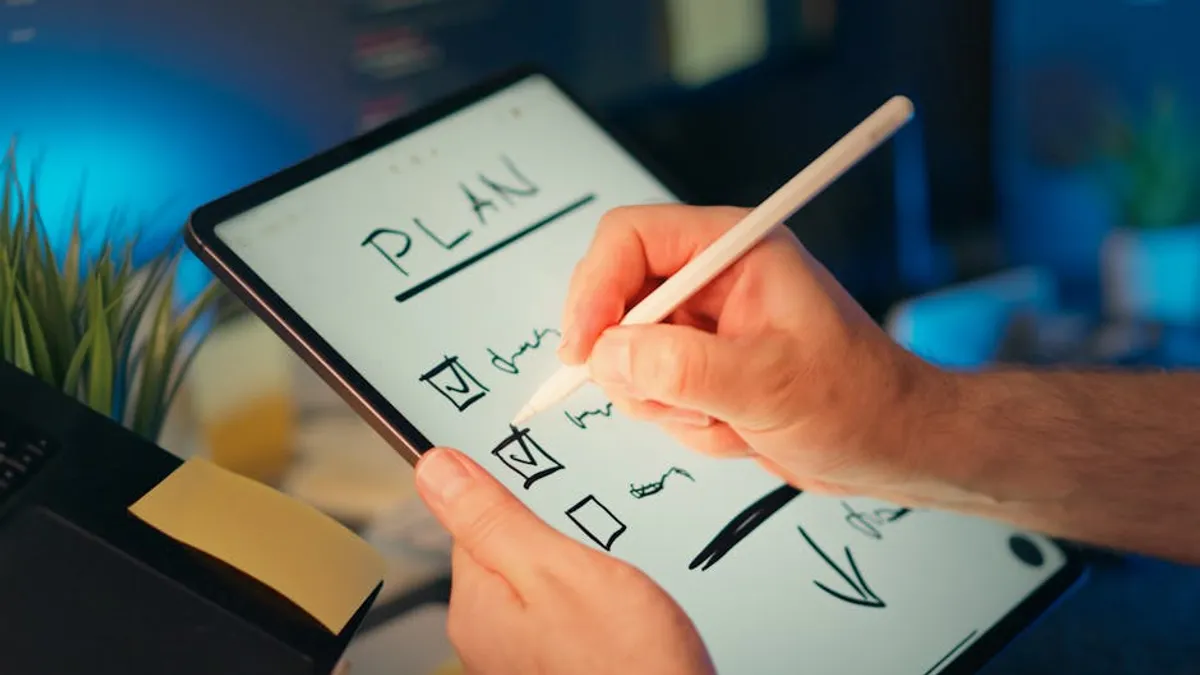
Organizing a party, regardless of its scale, requires a structured approach to ensure a successful outcome and minimize stress. The process involves more than just selecting a date and sending invitations; it demands meticulous planning, resource allocation, and proactive problem-solving. A systematic methodology helps manage expectations, control costs, and deliver an experience that aligns with the host's vision and guests' enjoyment. This guide outlines the essential steps to plan any event effectively, from initial concept to post-party follow-up.
Establishing the Foundation: Vision and Budget
Defining the Event's Core Purpose and Theme
Before any other decision, clarify the fundamental reason for the party. Is it a milestone celebration, a casual get-together, a networking opportunity, or a product launch? The purpose dictates the formality, tone, and overall guest experience. Once the purpose is established, consider a theme. A well-chosen theme provides a cohesive framework for decorations, food, music, and even attire, simplifying subsequent choices and creating a memorable atmosphere.
Best for: Setting the creative direction and ensuring all elements contribute to a unified experience.
Estimating Guest Count and Financial Parameters
The number of attendees directly influences venue size, catering costs, and staffing needs. Create a preliminary guest list to arrive at a realistic estimate. Simultaneously, establish a clear budget. This financial framework is non-negotiable; it dictates what is feasible regarding venue, entertainment, food, and drink. Allocate funds across major categories (venue, catering, entertainment, decorations, invitations, miscellaneous) and factor in a contingency buffer, typically 10-15% of the total budget, for unexpected expenses.
Justification: An accurate guest count prevents overspending or under-resourcing, while a defined budget prevents financial strain and allows for informed decision-making throughout the planning process.
Securing Key Elements: Date, Venue, and Vendors
Selecting the Optimal Date and Location
Choose a date that maximizes guest availability while avoiding major holidays or conflicting events. Consider the time of day, as this impacts catering and atmosphere. The venue must align with the guest count, theme, and budget. Assess its capacity, accessibility, amenities (e.g., kitchen facilities, restrooms, parking), and any restrictions (e.g., noise ordinances, vendor limitations). Book the venue and date as early as possible, especially for popular seasons or unique locations.
Commercial usefulness: Early booking often secures better rates and ensures primary choices are available, minimizing compromises later in the process.
Engaging Catering, Entertainment, and Support Services
Once the date and venue are firm, source essential vendors. For catering, consider dietary restrictions, service style (plated, buffet, food stations), and beverage options. Entertainment should match the event's theme and guest demographics, whether it's a DJ, live band, or specific performers. Additionally, consider photographers, florists, rental companies for equipment (tables, chairs, linens), and any necessary support staff. Obtain detailed quotes, check references, and review contracts carefully before committing.
Pro Tip: Always secure written contracts with all vendors, clearly outlining services, dates, times, costs, and cancellation policies. This protects both parties and prevents misunderstandings, especially concerning deliverables and payment schedules.
Communicating with Guests: Invitations and RSVPs
Designing and Distributing Effective Invitations
Invitations serve as the first impression of the event. They should clearly convey the party's purpose, date, time, location, and any specific instructions (e.g., dress code, gift registry information). Design should align with the theme. Choose a distribution method—physical mail, email, or a dedicated event platform—that suits the guest list's demographics and the event's formality. Send invitations with ample lead time, typically 4-6 weeks for casual events and 2-3 months for formal occasions, allowing guests to plan accordingly. Ensure you cover what to include in invitations by detailing the event's purpose, date, time, location, and any specific instructions guests need to know.
Impact: Clear, timely invitations maximize attendance and prepare guests for the experience, reducing last-minute inquiries.
Managing Guest Responses and Follow-ups
Establish a clear RSVP deadline and method. Track responses meticulously to maintain an accurate headcount, which is crucial for catering and seating arrangements. For non-responders, a polite follow-up call or email a few days after the deadline can confirm attendance. Note any dietary restrictions, accessibility needs, or special requests provided by guests during the RSVP process. This information is vital for ensuring guest comfort and satisfaction.
Orchestrating the Event Day: Execution and Contingency
Finalizing Schedules, Deliveries, and Setup
In the days leading up to the event, confirm all vendor arrangements, delivery times, and setup requirements. Create a detailed timeline for the event day, covering everything from vendor arrivals and setup to guest arrival, key activities, and vendor departure. Share this timeline with key personnel and vendors. Conduct a final walk-through of the venue to visualize the layout and ensure all elements are in place.
Justification: A precise timeline and confirmed logistics prevent bottlenecks, delays, and last-minute confusion, ensuring a smooth flow of activities.
Allocating Roles and Preparing for Unforeseen Circumstances
Delegate specific responsibilities to trusted individuals. This might include a point person for vendor questions, someone to greet guests, or a troubleshooter for minor issues. Develop a contingency plan for potential problems such as inclement weather (if outdoors), equipment malfunctions, or unexpected guest issues. Having backup solutions for common pitfalls allows for quick, calm resolution without disrupting the event.
- Key Considerations for Event Day:
- Confirm all vendor arrivals and setup.
- Designate a primary contact for all questions.
- Prepare a "crisis kit" with essentials (first aid, tape, chargers).
- Review the event timeline with staff/volunteers.
- Ensure clear signage for guests (restrooms, exits, activities).
- Conduct a final sound and lighting check.
Concluding the Celebration: Post-Event Actions
Expressing Gratitude and Soliciting Feedback
Within a week of the event, send thank-you notes to guests, especially those who traveled, brought gifts, or contributed significantly. Extend specific thanks to vendors and any volunteers or staff who assisted. For larger or more formal events, consider soliciting feedback from a select group of guests or key stakeholders. This data can provide valuable insights for improving future events, identifying successful elements, and addressing areas for refinement.
Commercial usefulness: Post-event gratitude strengthens relationships, while feedback offers actionable data for continuous improvement in event planning capabilities.
Practical Event Execution
Successful party planning hinges on foresight and structured execution. By systematically addressing each phase—from initial conceptualization and budget setting to vendor management, guest communication, and day-of coordination—you establish a robust framework. This approach not only streamlines the process but also mitigates potential issues, allowing you to focus on creating an engaging and memorable experience for everyone involved. Adhering to a detailed plan ensures that resources are utilized efficiently and the event's objectives are met, culminating in a celebration that is both enjoyable and impactful.
Frequently Asked Questions
How far in advance should I start planning a party?
For large or formal events (weddings, significant anniversaries), 6-12 months is advisable. For medium-sized events (birthdays, corporate functions), 3-6 months. Casual gatherings can often be planned within 2-4 weeks, depending on complexity. For a smoother process, consider using a detailed party planning checklist to keep track of all your tasks and deadlines.
What is the most common mistake in party planning?
Underestimating the budget and neglecting a contingency fund. Unexpected costs frequently arise, and without a buffer, this can lead to compromises or financial strain. Another common error is insufficient communication with vendors and guests.
How can I manage my budget effectively?
Prioritize spending on elements that directly impact guest experience (food, drink, entertainment). Obtain multiple quotes from vendors, negotiate where possible, and track all expenses against your allocated budget categories. Consider DIY options for decorations or smaller tasks if time permits.
Should I hire a professional party planner?
Consider a professional planner if you have a significant budget, a very large or complex event, limited time for planning, or desire a completely hands-off experience. For smaller, more personal events, self-planning with detailed organization is often sufficient.