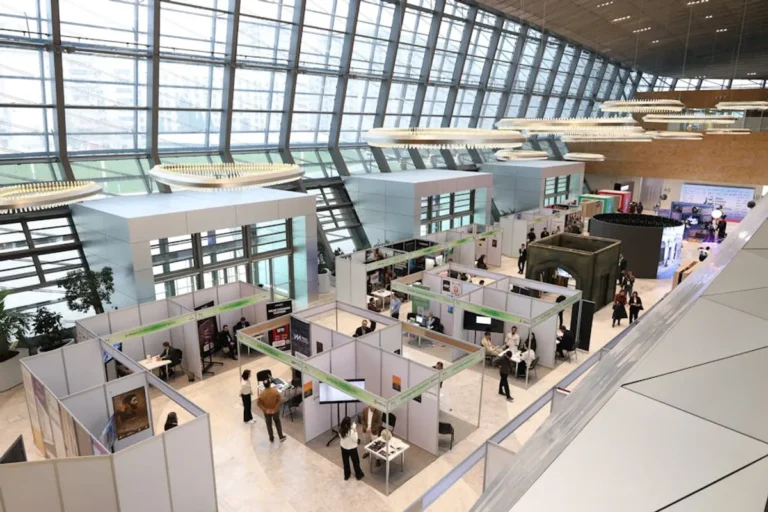

International Women’s Day (IWD) on March 8th extends beyond a mere calendar observance; it represents a significant opportunity for organizations to reinforce their values, engage stakeholders, and drive meaningful impact. For marketers, HR professionals, and business leaders, planning IWD events requires strategic foresight to ensure alignment with corporate objectives and authentic contribution to gender equality. The goal is not simply to host an event, but to craft experiences that resonate, educate, and inspire, translating into enhanced brand perception, stronger internal culture, and tangible community benefit. This requires moving past superficial gestures to implement initiatives that reflect genuine commitment and produce measurable outcomes.
Strategic Planning for Impactful IWD Initiatives
Effective IWD event planning begins with a clear strategic framework, ensuring that every activity serves a defined purpose. Without this foundation, events risk becoming performative rather than impactful, diminishing their commercial and cultural value.
Defining Objectives and Target Audiences
Before selecting any event format, pinpoint the primary objectives. Are you aiming to boost internal morale, attract diverse talent, educate the public, or support specific women-focused charities? Each objective dictates a different approach. Simultaneously, identify your target audience: employees, leadership, potential recruits, customers, or the broader community. An event tailored for internal team building will differ significantly from one designed for public engagement or lead generation.
Example objectives:
- Increase employee engagement with diversity and inclusion initiatives by 15%.
- Generate 200 new qualified leads through a public-facing thought leadership event.
- Raise $10,000 for a local women’s shelter through a community fundraiser.
- Enhance employer brand perception among female professionals by 10% on LinkedIn.
Budget Allocation and Resource Management
Resource allocation for IWD events must be realistic and reflect the scope of your objectives. Detail costs for venue, speakers, catering, marketing, technology (for virtual events), and staffing. Consider in-kind contributions or partnerships to maximize impact without overextending budgets. A detailed budget prevents unforeseen expenses and ensures resources are directed to areas that deliver the highest value for your defined goals.
Theme Development and Brand Alignment
A compelling theme unifies your IWD activities and enhances message clarity. This theme should align with the official IWD campaign (if applicable) but also resonate with your organization's mission and values. For instance, a tech company might focus on "Women in STEM: Breaking Barriers," while a financial institution could choose "Empowering Financial Independence for Women." Ensure the theme is consistent across all communications and event elements, reinforcing your brand's commitment to gender equality.
Engaging Internal Audiences with Purpose
Internal IWD events are crucial for fostering an inclusive workplace culture, recognizing contributions, and empowering employees. These initiatives strengthen internal brand loyalty and can improve retention.
Workshops and Skill-Building Sessions
Offer practical workshops focused on professional development relevant to women, such as leadership training, negotiation skills, public speaking, or navigating career progression. These sessions provide tangible value, demonstrating a commitment to employee growth beyond a single day. Partner with internal experts or external coaches to deliver high-quality, actionable content.
Employee Recognition and Empowerment Initiatives
Implement formal or informal recognition programs to highlight the achievements and contributions of women within your organization. This could involve an awards ceremony, a dedicated internal communication campaign featuring employee stories, or mentorship launch programs. Such initiatives boost morale and provide visible role models.
Panel Discussions and Keynote Speakers
Host panel discussions featuring internal and external female leaders discussing topics like career challenges, work-life integration, or industry trends. A keynote address from an inspiring figure can provide a powerful narrative and stimulate broader conversation. Ensure diverse representation on panels to reflect varied experiences and perspectives.
Pro Tip: Avoid tokenism. Ensure your IWD events are part of a year-round commitment to gender equality, not an isolated annual gesture. Authenticity in your initiatives will resonate far more strongly with both internal and external audiences, building genuine trust and brand equity.
External Outreach and Community Engagement
Extending your IWD efforts externally can enhance your public profile, attract new talent, and demonstrate corporate social responsibility.
Community Partnerships and Charity Drives
Collaborate with local women's shelters, educational programs, or non-profits focused on women's empowerment. Organize fundraising drives, volunteer days, or donation collections. This demonstrates tangible support for the community and aligns your brand with meaningful social causes.
Public-Facing Educational Events
Host webinars, seminars, or open house events that educate the public on issues related to gender equality, women's health, or economic empowerment. These events position your organization as a thought leader and a responsible corporate citizen, attracting a broader audience and potential customers.
Thought Leadership and Media Opportunities
Leverage IWD as an opportunity for your female executives or experts to contribute articles, participate in media interviews, or speak at industry conferences. This elevates individual profiles and reinforces your organization's expertise and commitment to diversity in leadership. Develop press releases and media kits well in advance to maximize coverage.
Virtual and Hybrid Event Formats
The flexibility of virtual and hybrid events allows for broader reach and participation, especially for geographically dispersed teams or audiences.
Leveraging Digital Platforms for Reach
Utilize platforms like Zoom, Microsoft Teams, or dedicated event software to host virtual keynotes, workshops, or networking sessions. These platforms allow for global participation, breaking down geographical barriers and increasing accessibility for a larger audience without significant travel costs.
Interactive Online Experiences
Design virtual events with interactive elements such as live Q&A sessions, breakout rooms for discussions, polls, and virtual networking lounges. Engagement tools keep attendees active and foster a sense of community, replicating some of the benefits of in-person interactions.
Ensuring Accessibility and Inclusivity
For all virtual and hybrid events, prioritize accessibility. Provide closed captions, sign language interpreters, and ensure presentation materials are screen-reader friendly. Offer flexible timing to accommodate different time zones and record sessions for on-demand viewing, maximizing inclusivity and reach.
Measuring Success and Sustaining Momentum
The impact of IWD initiatives should extend beyond March 8th. Robust measurement and follow-up are critical for demonstrating value and informing future efforts.
Post-Event Evaluation Metrics
Collect data on attendance, participant feedback (surveys), media mentions, social media engagement (impressions, shares, sentiment), and any funds raised. For internal events, track changes in employee engagement scores or participation in subsequent D&I initiatives. Compare these metrics against your initial objectives to assess effectiveness.
Long-Term Impact and Follow-Up Actions
Translate event momentum into sustained action. This could involve establishing ongoing mentorship programs, creating employee resource groups, implementing new D&I policies, or continuing partnerships with community organizations. Communicate the long-term impact and next steps to stakeholders, reinforcing your organization's enduring commitment.
Driving Lasting Impact Beyond a Single Day
International Women’s Day events offer a unique commercial and cultural touchpoint for organizations to demonstrate their commitment to gender equality. By approaching IWD with strategic planning, focusing on authentic engagement, and measuring real outcomes, businesses can move beyond symbolic gestures. The most effective initiatives are those integrated into a broader, year-round diversity and inclusion strategy, fostering a workplace culture that empowers women and contributes positively to the wider community. Prioritize genuine impact over superficial celebration to maximize brand value, employee loyalty, and societal contribution.
Frequently Asked Questions
When is International Women's Day observed annually?
International Women's Day is celebrated globally every year on March 8th. This date serves as a focal point for organizations and communities to acknowledge the social, economic, cultural, and political achievements of women, while also advocating for gender equality.
How can small businesses effectively participate in International Women's Day?
Small businesses can participate by hosting internal recognition events, partnering with local women-owned businesses, making a charitable donation to a women-focused non-profit, or organizing a small educational workshop for employees and customers. Authenticity and alignment with the business's values are key.
What common pitfalls should be avoided when planning IWD events?
Avoid tokenism, where events feel superficial or disconnected from genuine commitment to gender equality. Other pitfalls include under-resourcing, failing to involve diverse perspectives in planning, and neglecting to follow up with sustained actions beyond the event itself.
How can IWD events contribute to year-round diversity and inclusion initiatives?
IWD events can launch new D&I programs, recruit members for employee resource groups, highlight ongoing D&I efforts, and gather feedback to inform future strategies. They serve as a powerful reminder and catalyst for continuous progress in fostering an inclusive environment.